Understanding Fade Haircuts: Techniques, Maintenance, and Tips for Barbershop Clients

Discover how fade haircuts blend technique, style, and maintenance. Learn types of fades, pro barber methods, and tips to keep your look fresh and sharp.

Share on Linkedin Share on WhatsApp

Estimated reading time: 3 minutes

Article image Understanding Fade Haircuts: Techniques, Maintenance, and Tips for Barbershop Clients

What is a Fade Haircut?
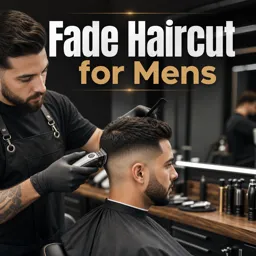
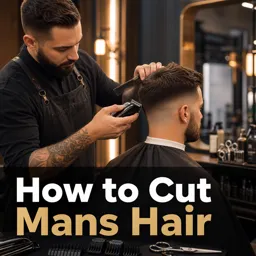
A fade haircut is a men’s grooming staple known for its gradual blend from very short hair on the sides and back to longer hair on top. The term “fade” comes from the seamless transition in length that creates a clean and stylish finish. This look is favored for its versatility and sharp appearance, making it a popular choice in barbershops around the world.

Types of Fade Haircuts

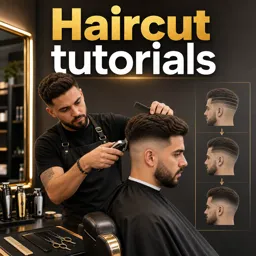
  • Low Fade: Begins near the natural hairline, creating a subtle and understated style.
  • Mid Fade: Starts at the middle of the head, offering a balanced, versatile look.
  • High Fade: Extends high up the sides for a bold and modern effect.
  • Skin Fade: Tapers all the way down to the skin, delivering a crisp and dramatic finish.

Key Techniques Used by Barbers
To achieve a flawless fade, barbers rely on a combination of tools and expertise:

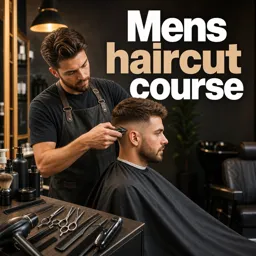
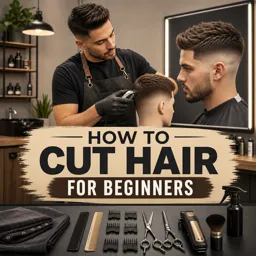
  • Clippers with Guards: Essential for producing consistent length gradients.
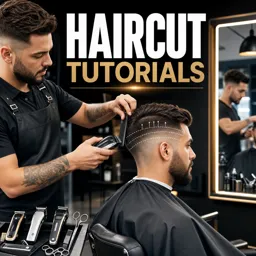
  • Blending Techniques: Clipper-over-comb and scissor-over-comb methods ensure smooth, line-free transitions.
  • Head Shape Awareness: Adjusting the fade based on head shape and hair texture ensures the most flattering outcome.

Fade Haircut Maintenance Tips
To keep your fade looking sharp:

  1. Regular Visits: Return to the barber every 2–3 weeks to maintain the clean shape.
  2. Proper Washing: Use high-quality shampoo and conditioner to support scalp health.
  3. Home Care: Daily brushing and the occasional styling product help maintain the form and definition.

Choosing Your Fade
Selecting the right fade involves considering your hair type, face shape, and personal style. Speak openly with your barber to find the ideal match that suits your maintenance habits and aesthetic goals.

Conclusion
Fade haircuts offer timeless appeal with modern flexibility. Whether you prefer a subtle low fade or a sharp skin fade, understanding the techniques and upkeep involved ensures you’ll enjoy a clean, stylish look every day.

Skin Barrier Repair: How to Calm Sensitized Skin and Rebuild Resilience

Learn how to repair the skin barrier, calm sensitized skin, and rebuild resilience with simple routines and barrier-supporting ingredients.

Professional Skin Care at Home: How to Read Labels, Patch-Test Products, and Avoid Irritation

Learn how to read skincare labels, patch-test products correctly, and build a routine that prevents irritation while delivering results.

Client Consultation for Skincare: How to Assess Concerns, Set Goals, and Track Results

Learn how to run a skincare consultation, assess concerns, set realistic goals, track progress, and build safer, more effective routines.

Salon-Level Nail Service Pricing: How to Quote Confidently, Add Value, and Grow Your Client List

Salon nail pricing guide: learn how to quote confidently, structure add-ons, protect profit, and grow your client list.

Nail Prep & Sanitation: The Pro Foundation Behind Every Flawless Manicure and Pedicure

Learn professional nail prep and sanitation techniques that improve retention, hygiene, and results for manicures and pedicures.

Nail Client Consultation Mastery: Forms, Hygiene Protocols, and Service Mapping for Better Results

Learn how to run a professional nail consultation using forms, hygiene protocols, and service mapping for safer services and better client results.

Sanitization, Hygiene, and Kit Setup for Makeup Artists: Pro Habits That Build Trust and Better Results

Learn makeup artist sanitization, hygiene practices, and kit organization to protect clients, prevent contamination, and improve professional results.

Makeup Color Theory for Artists: Choose Shades That Flatter Every Client

Learn makeup color theory in practice: undertones, correction, blush, lips, eyeshadow, and foundation choices that flatter every client.