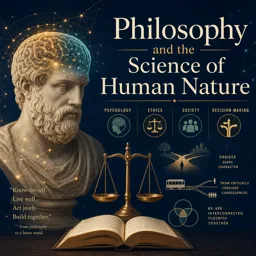
Stoicism is an ancient school of philosophy that has become surprisingly popular in the modern world. Its central message is easy to state: you cannot control everything that happens to you, but you can control how you respond. That simple idea has attracted students, athletes, managers and anyone looking for a calmer way to handle stress. This article introduces the origins of Stoicism, its core ideas and a few practical exercises you can try today.
Where Stoicism came from
Stoicism began in Athens around 300 BCE, founded by Zeno of Citium. The name comes from the Stoa Poikile, the “painted porch” where Zeno taught. The school later flourished in the Roman world. Three Roman figures are especially well known: Seneca, a statesman and writer; Epictetus, who was born enslaved and became a influential teacher; and Marcus Aurelius, a Roman emperor whose private notes, now known as the Meditations, are still widely read.
For the Stoics, philosophy was not just theory. It was a practical way of living, a kind of training for the mind.
The core ideas of Stoicism
1. The dichotomy of control
Epictetus opened his Enchiridion by dividing the world into things that are “up to us” and things that are not. Our opinions, choices, desires and actions are up to us. Our reputation, health, other people’s behavior and the weather are not entirely so. The Stoic strategy is to put your energy into the first group and accept the second with as much calm as possible.
2. Virtue as the highest good
Stoics argued that a good life comes from character, not from wealth, fame or pleasure. They named four central virtues: wisdom, courage, justice and self-discipline (often called temperance). External things such as money or comfort may be preferable, but they are not what make a person good or happy.
3. Judgments shape our emotions
According to the Stoics, events do not disturb us directly; our judgments about them do. If someone cuts you off in traffic, the event is neutral, but the story you tell yourself (“that person disrespects me”) creates the anger. By questioning those judgments, you can change the emotional reaction.
4. Living in accordance with nature
Stoics believed humans are rational and social beings. Living well means using reason and treating others fairly, since we are all part of a larger community. This is why Stoicism has a strong ethical and civic side, not only a personal one.
Common misunderstandings
| Myth | What Stoicism actually says |
|---|---|
| Stoics suppress all emotion. | They aim to avoid destructive passions, such as rage and panic, while still valuing healthy feelings like goodwill and gratitude. |
| Stoicism means being passive. | Stoics encourage action and public duty; they simply accept outcomes they cannot control. |
| It is only for tough people. | It is a set of mental exercises that anyone can practice gradually. |
| It rejects pleasure and comfort. | Comfort is allowed; the problem is depending on it for happiness. |
Practical Stoic exercises
- Sort your worries. When something troubles you, write two columns: what you can control and what you cannot. Make a plan only for the first column.
- Evening review. Seneca described reviewing his day before sleep. Ask yourself what you did well, what you could do better and what you will do differently tomorrow, without harsh self-judgment.
- Premeditation of adversity. Imagine what could go wrong in an upcoming project or trip, and think about how you would respond. The aim is preparation, not pessimism.
- The pause. When you feel a strong reaction, take a moment before responding and ask, “Is this impression accurate? Is my reaction helping?”
- Voluntary discomfort. Occasionally practice small hardships, like a cold shower or skipping a treat, to remember that you can cope with less.
- View from above. Picture your problem from a wider perspective, such as your whole city or your whole life. Many worries shrink at that scale.
Stoicism in everyday situations
Imagine you are waiting for exam results. You cannot change the grade, but you can control how you prepare for the next step. Or suppose a colleague takes credit for your work. You cannot control their behavior, yet you can decide to document your contributions, speak calmly and act with integrity. In both cases, the Stoic approach does not promise to remove the difficulty; it helps you act with clarity instead of reacting out of fear or anger.
Where to start reading
If you would like to read the original authors, good starting points are the Enchiridion by Epictetus, which is short and direct; Seneca’s Letters from a Stoic, which are practical and personal; and the Meditations by Marcus Aurelius. Translations vary in style, so try a few pages of different versions to find one you enjoy.
Conclusion
Stoicism offers a timeless toolkit: separate what you control from what you do not, build character, question your judgments and act with purpose. You do not need to become a philosopher to benefit from it. If you enjoy these ideas and want to explore philosophy more systematically, check out the Philosophy and related Basic Studies courses available on Cursa.