Understanding Eyebrow Enhancement
Eyebrow design has evolved into an art form within esthetics, offering various techniques to achieve fuller, well-defined brows. Among the most popular methods are microblading, eyebrow tattooing, henna brows, and eyebrow pencils or powders. But how does microblading compare to these alternatives, and which technique should you choose?
What Is Microblading?
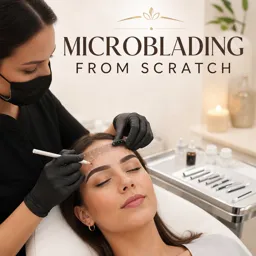
Microblading is a semi-permanent cosmetic procedure that uses a fine blade to deposit pigment into the upper layers of the skin, creating the appearance of natural eyebrow hairs. Unlike traditional eyebrow tattooing, microblading offers a more realistic result with crisp, hair-like strokes.
Microblading vs. Eyebrow Tattooing
Eyebrow tattooing involves the use of a machine to implant pigment deeper into the skin, resulting in a bolder, longer-lasting look. While tattooed brows can last several years, they may fade to unnatural hues over time. Microblading, on the other hand, provides softer, natural-looking results that gradually fade, making touch-ups easier and less noticeable.
Microblading vs. Henna Brows
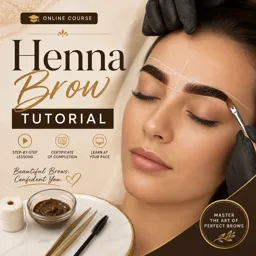
Henna brows use plant-based dye to tint the skin and brow hairs. This non-invasive method is temporary, generally lasting 2–4 weeks, and ideal for clients who want to enhance their shape without commitment. Microblading suits those seeking longer-lasting results with natural definition.
Microblading vs. Makeup Techniques
Eyebrow pencils, powders, and gels allow for daily customization and are easily removable. These are perfect for those who love to experiment with brow shapes or keep up with beauty trends. Microblading is a better option for those who prefer a low-maintenance routine and consistently polished brows.
Who Is Microblading For?
Microblading is recommended for individuals with sparse, thin, or uneven eyebrows who desire a fuller and natural look. It’s especially beneficial for those with busy lifestyles or conditions like hair loss. However, it may not be suitable for those with certain skin conditions or sensitivities, so a professional consultation is essential.
Finding the Best Fit for Your Brows
Each brow enhancement method comes with its own pros and cons. Assess your desired look, budget, commitment level, and lifestyle before deciding. A consultation with a licensed brow artist can help you determine which option best fits your needs and goals for eyebrow design.