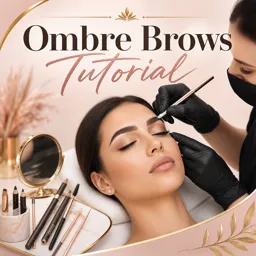
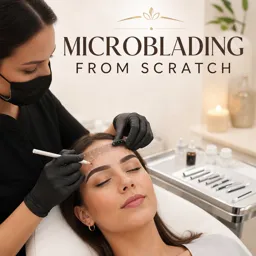
What Is Microblading?
Microblading is a semi-permanent cosmetic procedure designed to enhance and reshape the eyebrows. Unlike traditional eyebrow tattoos, microblading uses a fine handheld tool to create natural-looking, hair-like strokes using pigment. This technique provides a fuller and more symmetrical brow appearance tailored to each individual’s face shape and personal style.
How Does Microblading Work?
The process begins with a thorough consultation to determine the best brow shape and color for the client. The technician then uses a specialized microblade tool to deposit pigment into the upper layers of the skin, carefully mimicking natural eyebrow hairs. Because the pigment is placed superficially, the results fade gradually over time, typically lasting from one to three years.
Benefits of Microblading
- Natural Appearance: Microblading creates realistic, natural-looking brows that blend seamlessly with your existing hair.
- Time-Saving: Save time in your daily routine by eliminating the need for eyebrow pencils or powders.
- Customizable: The technique allows for tailored results in terms of shape, thickness, and color.
- Boosts Confidence: Well-designed brows can frame the face beautifully and enhance overall confidence.
The Microblading Procedure
- Consultation: Discuss desired shape and color, considering natural features.
- Mapping: The technician measures and outlines your ideal brow shape.
- Numbing: Topical anesthetic is applied to minimize discomfort.
- Microblading: The pigment is implanted using the handheld tool.
- Healing: The area may appear darker at first but softens as it heals over a few weeks.
- Follow-up: A touch-up session is usually scheduled to perfect and maintain results.
Who Is a Good Candidate?
Microblading is ideal for anyone who wants fuller, natural-looking brows, including those with thin or uneven brows due to overplucking, aging, or genetics. However, it may not be suitable for individuals with certain skin conditions or sensitivities. Consulting a certified esthetics professional is essential to determine candidacy and ensure safe, satisfactory results.
Aftercare and Longevity
Proper aftercare is crucial to achieving the best results. Clients should avoid getting the brows wet, using makeup, or exposing the area to sunlight during the initial healing period. With proper maintenance, touch-ups can be scheduled as needed to retain the shape and color of your brows for years to come.
Conclusion
Microblading has revolutionized eyebrow design, offering a tailored, low-maintenance solution for beautiful brows. Whether you’re looking for bold definition or subtle enhancement, microblading can be a transformative step in your esthetics journey.