Introduction to Microblading
Microblading has become a go-to solution for those seeking fuller, natural-looking eyebrows. This semi-permanent makeup technique is praised for its precision and ability to transform brows with minimal downtime. If you’re considering microblading, understanding the basics can help you make an informed decision.
What Is Microblading?
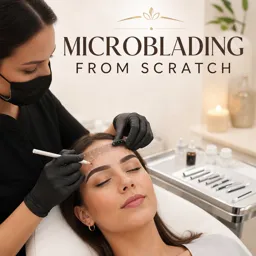
Microblading is a manual technique where a specialist uses a hand-held tool fitted with ultra-fine needles to deposit pigment into the upper layers of the skin. The resulting strokes mimic natural brow hairs, creating a fuller, sculpted look. Unlike traditional tattooing, microblading is superficial and fades naturally over time, usually within 12–18 months.
Who Is a Good Candidate?
Microblading is suitable for most adults who wish to enhance their eyebrows, especially those with sparse or thinning brows. However, individuals with certain skin conditions (such as eczema or psoriasis), those who scar easily, or anyone who is pregnant or nursing should consult their physician before proceeding.
What to Expect During the Procedure
- Consultation: The process begins with a consultation to discuss brow shape, color, and desired results.
- Shaping and Numbing: Your esthetician will map out your new brow shape and apply a numbing cream to ensure comfort.
- Microblading: Using precision strokes, the esthetician will implant pigment to create natural-looking brows.
- Aftercare: Following the procedure, you’ll receive instructions to care for your brows to ensure optimal healing and results.
Benefits of Microblading
- Enhances brow fullness and shape
- Natural, long-lasting results
- Minimal maintenance required
- Customizable shades and shapes
Potential Risks and Considerations
It is crucial to choose a certified and experienced esthetician to minimize risks like infection or unsatisfactory results. As with any procedure, minor swelling, redness, or flaking may occur as your brows heal, but these typically subside with proper care.
Is Microblading Right for You?
If you’re tired of filling in your brows daily or want a more defined yet natural look, microblading could be the perfect solution. Always research your technician, check reviews, and ask to see before-and-after photos to ensure you achieve the best possible outcome.