Mastering the Fade: Essential Tips for a Flawless Fade Haircut

Learn how to master fade haircuts with essential tools, pro tips, and step-by-step techniques to deliver clean, modern styles and build a standout barbering career.

Share on Linkedin Share on WhatsApp

Estimated reading time: 2 minutes

Article image Mastering the Fade: Essential Tips for a Flawless Fade Haircut

What is a Fade Haircut?
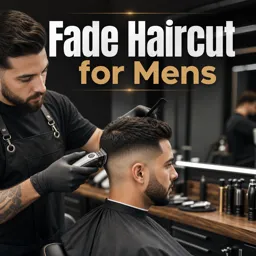
A fade haircut is a barbershop classic that blends hair gradually from short to longer lengths on the sides and back, leaving more volume on top. The seamless transition creates a sharp, clean appearance that flatters various face shapes and works with many styles.

Types of Fade Haircuts

  • Low Fade: Begins just above the ears for a subtle and conservative look.
  • Mid Fade: Starts midway between the ears and temples, offering a balanced, professional finish.
  • High Fade: Starts high on the head, delivering bold contrast for a modern, edgy vibe.
  • Skin (Bald) Fade: Tapers all the way down to the skin for a crisp, clean-cut result.

Essential Tools for Fading
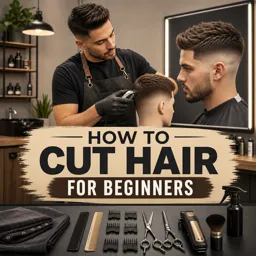
Creating a perfect fade requires professional tools, including:

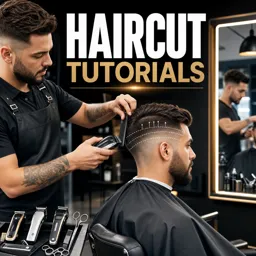
  • Clippers with multiple guards
  • Edgers or trimmers for outlining
  • Scissors and blending shears
  • A comb for control
  • A handheld mirror for checking all angles

Step-by-Step Guide to a Perfect Fade

  1. Consultation: Talk with the client to understand their desired style.
  2. Sectioning: Divide top and side hair for a neat work area.
  3. Begin Fading: Use the shortest guard at the base and switch to longer guards as you go up.
  4. Blending: Eliminate harsh lines using blending shears or clipper-over-comb technique.
  5. Define Edges: Sharpen outlines with trimmers.
  6. Final Touches: Style the top and inspect from every angle for a flawless finish.

Pro Tips for a Great Fade

  • Use bright lighting and check from multiple angles.
  • Keep tools clean and blades sharp.
  • Blend slowly for a smooth gradient.
  • Share maintenance and product advice with clients.

Why Learn the Fade?
Mastering the fade sets skilled barbers apart, ensuring consistent demand and a loyal clientele. It’s a fundamental technique for any barber aiming to excel in the profession.

Understanding Variables and Data Types in Python

Learn what variables and data types are in Python, how to use them, and why they are the foundation of every program you write.

How Websites Work: A Beginner’s Guide to Domains, Hosting, and Servers

Ever wondered what happens when you type a web address? Learn how domains, hosting, and servers work together to load a website.

What Is Prompt Engineering? A Beginner’s Guide

Learn what prompt engineering is, why it matters for working with AI tools, and practical techniques beginners can use to write better prompts.

What Is Version Control? An Introduction to Git for Beginners

Discover what version control is, why developers use Git, and the key concepts every beginner should know before writing their first commit.

Understanding Zero Trust Security: A Beginner’s Guide

Learn what Zero Trust security is, the core principles behind it, and why organizations are adopting this modern approach to cybersecurity.

SQL vs NoSQL: Understanding the Key Differences

Confused about SQL and NoSQL databases? Learn how they differ in structure, scaling, and use cases to choose the right one for your project.

What Is Responsive Web Design? A Beginner’s Guide

Learn what responsive web design is, why it matters, and the core techniques—fluid grids, flexible images, and media queries—to get started.

HTML, CSS, and JavaScript: The Three Pillars of Web Development

Learn how HTML, CSS, and JavaScript work together to build every website, and why they are the foundation of web development.