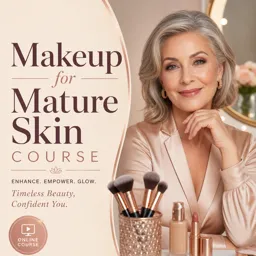
Mastering the art of makeup: from basics to professional techniques

Mastering makeup involves basics like skin types and color theory, then advancing to techniques like contouring. Continuous learning is key for success.

Share on Linkedin Share on WhatsApp

Estimated reading time: 2 minutes

Article image Mastering the art of makeup: from basics to professional techniques

Introduction to makeup artistry

The world of makeup artistry is not just about applying products; it’s an art form that enables individuals to express themselves. Professional makeup techniques can elevate your skills, opening doors to exciting career opportunities in the beauty industry.

Understanding the basics

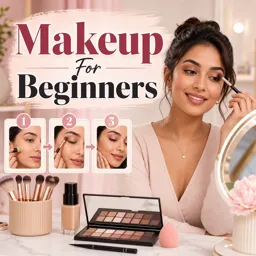
Before diving into advanced techniques, mastering the basics is crucial. This includes learning about different skin types, understanding color theory, and selecting the right products for various skin tones and textures.

Exploring professional techniques

For those looking to advance their skills, exploring professional-level techniques is key. These include contouring and highlighting, using airbrush machines, mastering eye makeup looks like smokey eyes or cut creases, and perfecting the art of false eyelash application.

The importance of staying updated

The beauty industry is ever-evolving, with new trends and products emerging regularly. Keeping up with the latest developments can sharpen your skills and ensure your techniques are cutting-edge. Online courses are a great resource to stay informed and practice new methods.

Practicing and experimenting

Hands-on practice is one of the best ways to improve your makeup skills. Experiment with products you’re not familiar with, and don’t be afraid to combine different techniques to create unique looks. Documenting your work through portfolio-building can also showcase your progress and versatility.

The road to professionalism

Whether you’re an aspiring makeup artist or looking to refine your skills, professional training will help you stand out. Consider enrolling in specialized courses that offer certifications, which can give you a competitive edge in the industry.

Conclusion

Improving your makeup skills can transform not only your personal ability but also pave the way for a successful career in the beauty sector. Leveraging free online resources is a cost-effective way to expand your knowledge and stay ahead in this dynamic field.

Skin Barrier Repair: How to Calm Sensitized Skin and Rebuild Resilience

Learn how to repair the skin barrier, calm sensitized skin, and rebuild resilience with simple routines and barrier-supporting ingredients.

Professional Skin Care at Home: How to Read Labels, Patch-Test Products, and Avoid Irritation

Learn how to read skincare labels, patch-test products correctly, and build a routine that prevents irritation while delivering results.

Client Consultation for Skincare: How to Assess Concerns, Set Goals, and Track Results

Learn how to run a skincare consultation, assess concerns, set realistic goals, track progress, and build safer, more effective routines.

Salon-Level Nail Service Pricing: How to Quote Confidently, Add Value, and Grow Your Client List

Salon nail pricing guide: learn how to quote confidently, structure add-ons, protect profit, and grow your client list.

Nail Prep & Sanitation: The Pro Foundation Behind Every Flawless Manicure and Pedicure

Learn professional nail prep and sanitation techniques that improve retention, hygiene, and results for manicures and pedicures.

Nail Client Consultation Mastery: Forms, Hygiene Protocols, and Service Mapping for Better Results

Learn how to run a professional nail consultation using forms, hygiene protocols, and service mapping for safer services and better client results.

Sanitization, Hygiene, and Kit Setup for Makeup Artists: Pro Habits That Build Trust and Better Results

Learn makeup artist sanitization, hygiene practices, and kit organization to protect clients, prevent contamination, and improve professional results.

Makeup Color Theory for Artists: Choose Shades That Flatter Every Client

Learn makeup color theory in practice: undertones, correction, blush, lips, eyeshadow, and foundation choices that flatter every client.