Mastering Basic Spanish Greetings: Essential A1 Conversational Skills

Learn essential Spanish greetings, polite phrases, and farewells at the A1 level to start conversations with confidence.

Share on Linkedin Share on WhatsApp

Estimated reading time: 2 minutes

Article image Mastering Basic Spanish Greetings: Essential A1 Conversational Skills

Introduction to Spanish Greetings at A1 Level

Learning how to greet others is one of the first steps to start communicating in a new language. In Spanish, greetings are not just words; they show respect, friendliness, and help you build connections. This article is your guide to mastering essential greetings and polite phrases at the A1 (beginner) level.

Common Spanish Greetings

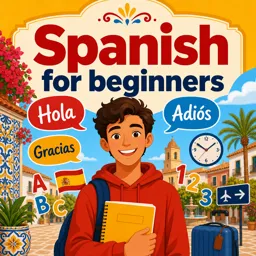
  • Hola – Hello
  • Buenos días – Good morning
  • Buenas tardes – Good afternoon
  • Buenas noches – Good evening / Good night

These greetings can be used in both formal and informal situations. “Hola” is the most universal greeting and works throughout the day.

Introducing Yourself in Spanish

After greeting, it is common to introduce yourself. Here are some basic ways to do so:

  • Me llamo [Name] – My name is [Name]
  • Soy [Name] – I am [Name]
  • ¿Cómo te llamas? – What is your name? (informal)
  • ¿Cómo se llama? – What is your name? (formal)

Practice using these phrases to introduce yourself and ask others their names.

Polite Expressions

  • Por favor – Please
  • Gracias – Thank you
  • De nada – You’re welcome
  • Perdón – Excuse me / Sorry

Polite expressions are important in both casual and formal conversations. Using them shows respect and friendliness.

Simple Farewells

  • Adiós – Goodbye
  • Hasta luego – See you later
  • Hasta mañana – See you tomorrow
  • Chao – Bye (informal)

These basic farewells help you leave conversations politely in Spanish-speaking environments.

Practice Makes Perfect!

The best way to master these greetings and phrases is through practice. Use them in conversations, repeat them aloud, and try greeting Spanish-speaking friends or classmates. With consistency, you’ll gain confidence in starting conversations!

¡Buena suerte! (Good luck!)

Understanding Variables and Data Types in Python

Learn what variables and data types are in Python, how to use them, and why they are the foundation of every program you write.

How Websites Work: A Beginner’s Guide to Domains, Hosting, and Servers

Ever wondered what happens when you type a web address? Learn how domains, hosting, and servers work together to load a website.

What Is Prompt Engineering? A Beginner’s Guide

Learn what prompt engineering is, why it matters for working with AI tools, and practical techniques beginners can use to write better prompts.

What Is Version Control? An Introduction to Git for Beginners

Discover what version control is, why developers use Git, and the key concepts every beginner should know before writing their first commit.

Understanding Zero Trust Security: A Beginner’s Guide

Learn what Zero Trust security is, the core principles behind it, and why organizations are adopting this modern approach to cybersecurity.

SQL vs NoSQL: Understanding the Key Differences

Confused about SQL and NoSQL databases? Learn how they differ in structure, scaling, and use cases to choose the right one for your project.

What Is Responsive Web Design? A Beginner’s Guide

Learn what responsive web design is, why it matters, and the core techniques—fluid grids, flexible images, and media queries—to get started.

HTML, CSS, and JavaScript: The Three Pillars of Web Development

Learn how HTML, CSS, and JavaScript work together to build every website, and why they are the foundation of web development.