Why Games Are the Key to Learning Spanish for Kids
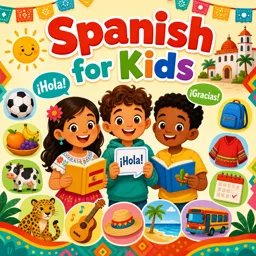
Learning a new language like Spanish should be a joyful adventure for kids! Games provide an engaging, playful approach that helps children naturally absorb vocabulary and pronunciation while having fun. Unlike drills or rote memorization, games keep kids motivated, spark their curiosity, and encourage real communication.
Types of Spanish Games for Different Ages
- Matching games: Great for preschoolers and early learners, these games pair Spanish words with images.
- Memory games: Using cards with Spanish words and pictures, children test their memory while recalling Spanish vocabulary.
- Board games: Classic games like Lotería (Spanish Bingo) introduce numbers, animals, and colors in a fun format.
- Interactive digital games: Many apps and online games immerse kids in Spanish through stories and challenges.
- Action games: Games like “Simón dice” (Simon Says) or scavenger hunts get kids moving and thinking in Spanish.
Game Ideas to Boost Spanish Skills
If you’re looking for easy ways to bring Spanish into playtime, try these game ideas:
- Color Hunt: Shout out a color in Spanish (e.g., rojo), and kids race to find an object in that color.
- Word Detective: Hide objects or cards labeled in Spanish around the house, and give clues in Spanish for kids to find them.
- Charades with Spanish Words: Write action verbs in Spanish on slips of paper and act them out while others guess.
- Singing and Rhyming Games: Use Spanish songs with movements (like “Cabeza, Hombros, Rodillas y Pies”) to reinforce vocabulary.
- Flashcard Swat: Place Spanish word cards on the floor. Say the word out loud and have kids race to swat the matching card with a flyswatter.
Tips for Parents and Teachers
- Start with simple words and phrases, and repeat them often.
- Focus on everyday topics like family, colors, food, and animals for practical vocabulary.
- Encourage speaking and listening — don’t worry about mistakes!
- Celebrate progress with small rewards and lots of praise.
Conclusion
Games can transform Spanish learning for kids into an exciting language adventure. By fostering play, creativity, and real communication, children develop strong foundations in Spanish and a love for lifelong learning. ¡Juguemos en español!