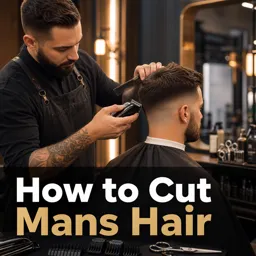
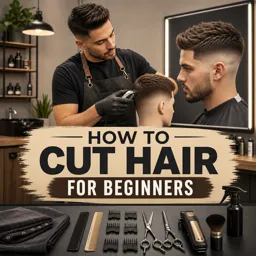
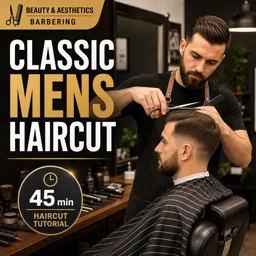
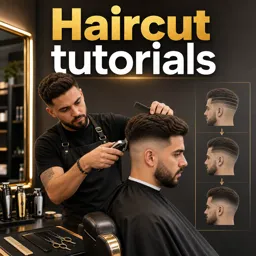
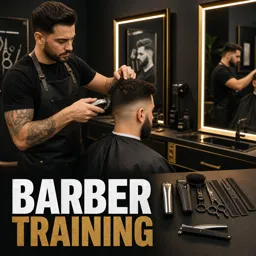
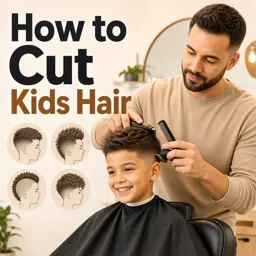
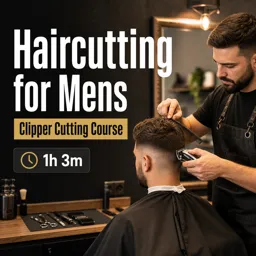
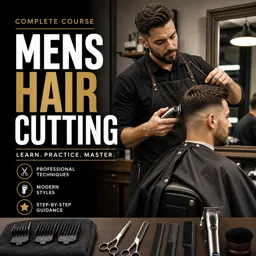
Fade Haircuts: The Art and Technique Behind This Popular Barbershop Trend

Fade haircuts offer a versatile, stylish transition from short to long hair, showcasing barber skill and suiting many hair types and personal styles.

Share on Linkedin Share on WhatsApp

Estimated reading time: 2 minutes

Article image Fade Haircuts: The Art and Technique Behind This Popular Barbershop Trend

What Is a Fade Haircut?
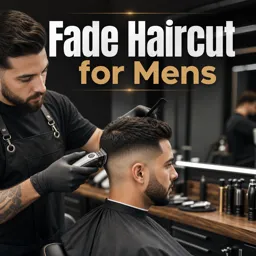
A fade haircut is a trendy style where hair gradually transitions from very short or bald on the sides and back to longer on top. The fade can be subtle or sharp, tailored to personal taste and barber skill.

Types of Fades

  • Low Fade: Starts just above the ears, curving around the neckline for a conservative look.
  • Mid Fade: Begins higher, about halfway up the head, offering a balance between subtle and bold.
  • High Fade: Starts very high on sides and back, creating a pronounced, edgy style.
  • Skin (Bald) Fade: Fades down to the skin for a clean, sharp finish.

Why Are Fade Haircuts So Popular?
Fades are loved for their versatility and fresh appearance. They suit many hair types and styles—from classic pompadours to modern textured crops—and showcase the barber’s precision and skill.

Techniques Used in Creating Fades
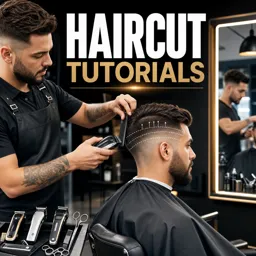
Barbers blend hair lengths using clippers, trimmers, and scissors to achieve a seamless graduation. Different clipper guards and clipper-over-comb methods help create smooth, flawless fades.

Maintaining Your Fade
Regular touch-ups every 2-3 weeks keep fades sharp. Using quality hair products and gentle brushing at home helps maintain shape and cleanliness between visits.

Choosing the Right Fade for You
The ideal fade depends on your style, hair texture, and face shape. Clear communication with your barber and sharing reference photos ensures a fade that complements your features and preferences.

Conclusion
Fade haircuts blend tradition and innovation, standing as a versatile, stylish staple of modern barbershop culture. They remain a top choice for anyone wanting a sharp, fresh look.

Skin Barrier Repair: How to Calm Sensitized Skin and Rebuild Resilience

Learn how to repair the skin barrier, calm sensitized skin, and rebuild resilience with simple routines and barrier-supporting ingredients.

Professional Skin Care at Home: How to Read Labels, Patch-Test Products, and Avoid Irritation

Learn how to read skincare labels, patch-test products correctly, and build a routine that prevents irritation while delivering results.

Client Consultation for Skincare: How to Assess Concerns, Set Goals, and Track Results

Learn how to run a skincare consultation, assess concerns, set realistic goals, track progress, and build safer, more effective routines.

Salon-Level Nail Service Pricing: How to Quote Confidently, Add Value, and Grow Your Client List

Salon nail pricing guide: learn how to quote confidently, structure add-ons, protect profit, and grow your client list.

Nail Prep & Sanitation: The Pro Foundation Behind Every Flawless Manicure and Pedicure

Learn professional nail prep and sanitation techniques that improve retention, hygiene, and results for manicures and pedicures.

Nail Client Consultation Mastery: Forms, Hygiene Protocols, and Service Mapping for Better Results

Learn how to run a professional nail consultation using forms, hygiene protocols, and service mapping for safer services and better client results.

Sanitization, Hygiene, and Kit Setup for Makeup Artists: Pro Habits That Build Trust and Better Results

Learn makeup artist sanitization, hygiene practices, and kit organization to protect clients, prevent contamination, and improve professional results.

Makeup Color Theory for Artists: Choose Shades That Flatter Every Client

Learn makeup color theory in practice: undertones, correction, blush, lips, eyeshadow, and foundation choices that flatter every client.