Introduction
Journalism plays a critical role in informing society, ensuring transparency, and supporting democratic values. From breaking news coverage to investigative reporting, journalists provide accurate, timely, and relevant information to the public. This article explores the essential skills and practices required to succeed in the field.
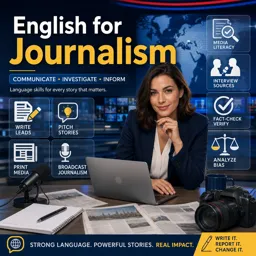
The Journalist’s Toolkit: Essential Skills
To excel in journalism, professionals must develop a range of core skills:
- Research: Gathering facts from credible sources, verifying information, and understanding context.
- Interviewing: Asking insightful questions, actively listening, and building trust with sources.
- Storytelling: Presenting information clearly and engagingly across different media platforms.
- Critical Thinking: Evaluating information objectively and recognizing bias or misinformation.
- Communication: Conveying ideas effectively to editors, colleagues, and audiences through strong written and verbal skills.
Daily Practices in Journalism
High-quality reporting requires consistent professional practices, including:
- Fact-Checking: Ensuring all information is accurate before publication.
- Attribution: Citing sources to maintain transparency and credibility.
- Deadline Management: Balancing speed with accuracy to deliver timely stories.
- Adherence to Editorial Standards: Following guidelines to ensure fairness, balance, and impartiality.
The Evolving Landscape of Journalism
The digital era has transformed journalism, demanding proficiency in multimedia and online engagement. Skills in photography, video editing, and social media are increasingly important for modern journalists aiming to reach wider audiences.
Conclusion
Journalism is a dynamic profession that requires commitment, curiosity, and ethical integrity. By developing essential skills and embracing best practices, journalists can make a lasting impact on public awareness and trust.