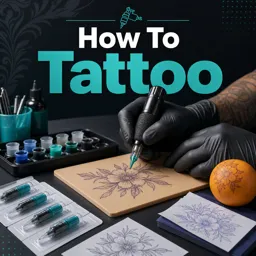
Introduction to Tattoo Art
Tattoo art has grown from an ancient tradition into a sought-after professional skill, merging creativity with technique. For aspiring artists, tattooing offers a unique avenue to express their artistic vision on a living canvas while building a rewarding career.
Becoming a Tattoo Artist: The Professional Journey
Becoming a successful tattoo artist requires more than just drawing skills. Formal courses in tattoo art provide students with hands-on training and essential knowledge, covering topics like skin anatomy, hygiene standards, and equipment handling. Students learn both the theory and practice, completing supervised apprenticeships to hone their craft under experienced mentors.
Essential Skills for Tattoo Artists
- Artistic Ability: Mastery of drawing and design is fundamental to executing high-quality tattoos.
- Technical Proficiency: Understanding tattoo machines, needles, and inks is vital for safe and effective application.
- Sanitation: Maintaining strict health and safety protocols is crucial to prevent infections and ensure client safety.
- Communication: Interacting with clients to understand their ideas and desires is key to a satisfying experience for both parties.
Building a Portfolio and Establishing a Client Base
Successful tattoo artists continuously expand their portfolios, showcasing a range of styles and techniques. Exhibiting work on social media and at conventions helps attract clients and grow their reputation. Ongoing learning, including new styles and technologies, ensures continued relevance in this dynamic field.
Why Choose a Professional Tattoo Art Course?
Enrolling in a professional tattoo art course offers a structured pathway to mastering this craft. These courses provide:
- Expert instruction from seasoned tattoo artists
- Hands-on apprenticeships to gain real-world experience
- Comprehensive lessons in safety, sanitation, and client care
- Guidance on building a business and navigating the legalities of tattooing
Conclusion
Tattoo art represents a vibrant, ever-evolving profession. With formal training and dedication, individuals passionate about art can transform their creativity into a flourishing career. Whether aiming to open a studio or join a prominent shop, a solid foundation in tattoo art will set you on the path to professional success.