Why Build Your Spanish Vocabulary?
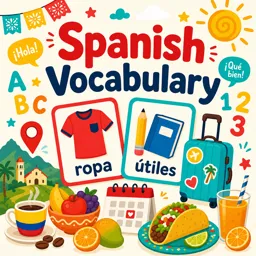
Expanding your Spanish vocabulary is key to boosting your confidence and fluency. The more words you know, the easier it becomes to express your thoughts, understand native speakers, and enjoy Spanish-language media. Here are some practical strategies to help you grow your word bank.
1. Read Regularly in Spanish
Exposure to written Spanish through books, articles, or even comic strips can introduce you to new vocabulary within context. Start with materials that match your current level and gradually challenge yourself with more complex texts.
2. Use Flashcards and Apps
Flashcard systems and language-learning apps such as Anki, Duolingo, or Quizlet help reinforce new words. Repetition is vital, so make it a habit to review and expand your decks regularly.
3. Group Words by Theme
Categorizing vocabulary by themes, like food, travel, or professions, aids in memorization and recall. Create your own lists or mind maps, and review them often.
4. Practice with Real Conversations
Nothing beats real-life practice. Engage in conversation exchanges or language meetups to apply new words in context, ask questions, and get corrections from native speakers.
5. Label Your Surroundings
To reinforce everyday vocabulary, label items in your home or office with their Spanish names. This visual aid serves as a frequent and practical reminder.
6. Listen and Watch Spanish Content
From podcasts and music to TV shows and movies, exposure to spoken Spanish helps train your ear to pick up unfamiliar words and improve pronunciation. Try watching with subtitles in Spanish for extra vocabulary reinforcement.
7. Keep a Personal Vocabulary Journal
Every time you encounter a new word, jot it down with its meaning and an example sentence. Regularly review your entries to solidify them in your memory.
Conclusion
Growing your Spanish vocabulary is a gradual, enjoyable journey. Combine these techniques with curiosity and dedication, and you’ll soon notice a significant improvement in your comprehension and expression.