Essential Spanish Phrases Every Child Should Know

Teach kids essential Spanish phrases for everyday use. Boost confidence, memory, and love for the language with fun, daily practice!

Share on Linkedin Share on WhatsApp

Estimated reading time: 2 minutes

Article image Essential Spanish Phrases Every Child Should Know

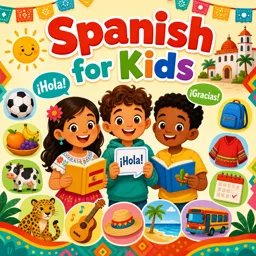
Introducing children to a new language at a young age can be both fun and rewarding. One of the best places to start with Spanish is by teaching kids essential phrases they can use in daily life. Not only does this make learning Spanish practical, but it also helps build their confidence in using the language from day one.

Why Start with Phrases?
Learning standalone words is a great first step, but phrases provide real-world context. When kids practice complete sentences, they can use Spanish to communicate basic needs, greetings, and feelings, making the learning process more engaging and meaningful.

10 Must-Learn Spanish Phrases for Kids

  1. Hola, ¿cómo estás? – Hello, how are you?
  2. Por favor – Please
  3. Gracias – Thank you
  4. ¿Puedo ir al baño? – Can I go to the bathroom?
  5. Me llamo… – My name is…
  6. ¿Dónde está…? – Where is…?
  7. No entiendo – I don’t understand
  8. ¿Cuántos años tienes? – How old are you?
  9. ¡Buen trabajo! – Good job!
  10. Hasta luego – See you later

Tips for Practicing Spanish Phrases

  • Role-play: Take turns acting out different scenarios, such as ordering food or greeting someone new.
  • Daily Use: Encourage children to use Spanish phrases throughout the day. For example, say “Gracias” when someone helps them.
  • Sing Songs: Songs are a fantastic way to remember new phrases. Find catchy Spanish tunes that include basic expressions.
  • Stick with Repetition: Repetition helps phrases stick. Practice them in various situations to strengthen memory.

Conclusion
Teaching kids essential Spanish phrases equips them with the tools to express themselves and interact in a second language. By making practice part of everyday routines, you’ll help young learners gain both language skills and a love for Spanish. ¡Buena suerte! (Good luck!)

Understanding Variables and Data Types in Python

Learn what variables and data types are in Python, how to use them, and why they are the foundation of every program you write.

How Websites Work: A Beginner’s Guide to Domains, Hosting, and Servers

Ever wondered what happens when you type a web address? Learn how domains, hosting, and servers work together to load a website.

What Is Prompt Engineering? A Beginner’s Guide

Learn what prompt engineering is, why it matters for working with AI tools, and practical techniques beginners can use to write better prompts.

What Is Version Control? An Introduction to Git for Beginners

Discover what version control is, why developers use Git, and the key concepts every beginner should know before writing their first commit.

Understanding Zero Trust Security: A Beginner’s Guide

Learn what Zero Trust security is, the core principles behind it, and why organizations are adopting this modern approach to cybersecurity.

SQL vs NoSQL: Understanding the Key Differences

Confused about SQL and NoSQL databases? Learn how they differ in structure, scaling, and use cases to choose the right one for your project.

What Is Responsive Web Design? A Beginner’s Guide

Learn what responsive web design is, why it matters, and the core techniques—fluid grids, flexible images, and media queries—to get started.

HTML, CSS, and JavaScript: The Three Pillars of Web Development

Learn how HTML, CSS, and JavaScript work together to build every website, and why they are the foundation of web development.