What is Drone Filmmaking?
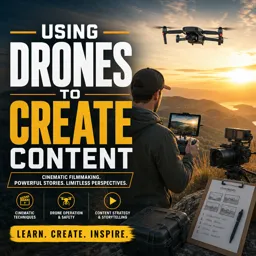
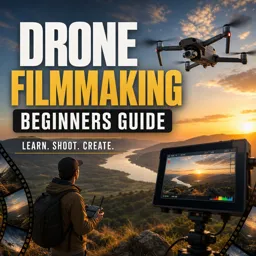
Drone filmmaking refers to the use of unmanned aerial vehicles (UAVs), more commonly known as drones, to capture video and photography from unique, high-flying perspectives. In recent years, drones have revolutionized the art of filmmaking by allowing filmmakers to access angles and landscapes previously only possible with helicopters or cranes, but at a fraction of the cost and logistical complexity.
Why Use Drones in Filmmaking?
- Cost-Effective Aerial Shots: Drones eliminate the need for expensive helicopter rentals, making aerial cinematography accessible for independent filmmakers and enthusiast content creators.
- Dynamic Perspectives: With the agility to swoop, hover, and glide, drones offer dynamic camera movements, immersing audiences into a scene like never before.
- Versatility: From chase sequences to serene landscape pans, drones can be employed in a wide range of genres and filming scenarios.
Key Components of Drone Filmmaking
- Choosing Your Drone: Selecting the right drone depends on factors such as camera quality, flight stability, battery life, and ease of use. Models equipped with 4K cameras and gimbal stabilization are industry standards.
- Flight Safety and Regulations: Filming with drones requires compliance with local aviation authorities. Always check airspace restrictions, obtain necessary permits, and prioritize safety for both crew and bystanders.
- Camera Techniques: Mastering slow pans, tilts, and ascents can yield breathtaking cinematic effects. Pre-planning shots and practicing flight paths are crucial for smooth footage.
- Post-Production: Editing drone footage involves stabilizing shaky shots, color grading to match ground cameras, and sound design to enhance the aerial perspective.
Tips for Aspiring Drone Filmmakers
- Start with simple maneuvers and gradually integrate complex flight paths as your piloting skills grow.
- Always keep extra batteries on hand to maximize your shooting window.
- Scout your location virtually and physically to avoid obstacles and plan creative compositions.
- Respect privacy and wildlife; fly responsibly and abide by ethical filming practices.
Conclusion
Drone filmmaking empowers storytellers to push creative boundaries and transport audiences to soaring heights. Whether you’re crafting narrative fiction or breathtaking documentaries, mastering the art of drone operation is an invaluable skill in the modern filmmaking toolkit.