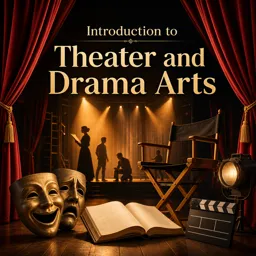
Introduction to Theater
Theater has captivated audiences for centuries, serving as a dynamic platform for storytelling, expression, and collaboration. Whether you are drawn to the stage as a performer, creative, or enthusiast, understanding the basic concepts of theater is the perfect gateway into this vibrant world.
Theater as a Collaborative Art
Theater is unique in its collaborative nature. Writers, directors, actors, set designers, costume makers, and technicians all work together to bring performances to life. Unlike many other art forms, the success of a theater production often hinges on the synergy between these diverse roles.
Key Elements of a Theater Production
- Script: The narrative foundation of any play or musical, detailing dialogue and stage directions.
- Direction: The director shapes the vision and guides both actors and crew for cohesive storytelling.
- Acting: Actors breathe life into characters, conveying the script’s emotions and intentions.
- Set and Lighting Design: The environment and mood are crafted through physical sets, props, and impactful lighting.
- Costume and Makeup: Wardrobe choices help define characters, period, and style, while makeup enhances or transforms appearances.
- Sound: Audio elements and music contribute significantly to atmosphere and storytelling.
Types of Theater Performances
Theater is not limited to any single format. Here are some common performance styles:
- Plays: Traditional scripted performances focusing on dialogue and dramatic action.
- Musicals: Performances combining acting, music, and dance.
- Improvisational Theater: Unscripted performances where actors spontaneously create dialogue and scenarios.
- Experimental Theatre: Innovative or unconventional forms that challenge traditional norms.
The Audience’s Role
The audience is a vital part of any theatrical performance. Their reactions—laughter, applause, silence—directly influence the energy and rhythm of a live show. Engaged audiences help create the unique magic that only live theater can offer.
Getting Involved
If you’re new to theater, consider attending local performances, joining community groups, or enrolling in introductory theater classes. Whether you desire to act, direct, or contribute behind the scenes, the world of theater welcomes all willing to learn, create, and share in the storytelling experience.
Conclusion
Theater is more than just an art form; it’s a celebration of collaboration, creativity, and human connection. By understanding its basic elements and roles, anyone can appreciate and join the extraordinary journey of theatrical production.