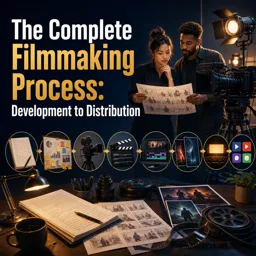
Documentary filmmaking is a powerful medium for telling real stories, shedding light on important issues, and capturing the human experience. Whether you’re an aspiring filmmaker or a seasoned professional, creating a compelling documentary involves several key steps and techniques. This guide provides insights into the process of documentary filmmaking, from research and interviews to filming and editing.
Research and Planning
- Choosing a Topic
- Select a subject that you are passionate about and that has a compelling story to tell. Ensure that the topic is relevant, timely, and has a clear focus.
- Conducting Research
- Gather as much information as possible about your topic. Read articles, watch existing documentaries, and interview experts to gain a comprehensive understanding.
- Creating a Story Outline
- Develop a rough outline of your documentary’s structure. Identify the key points, themes, and messages you want to convey, and plan how to organize them effectively.
- Finding Your Subjects
- Identify the individuals who will be the focus of your documentary. Look for people with compelling stories, unique perspectives, and strong on-screen presence.
Pre-Production
- Writing a Treatment
- A treatment is a detailed summary of your documentary, including the storyline, characters, and key scenes. It serves as a blueprint for your film.
- Securing Permissions
- Obtain all necessary permissions and releases from your subjects, locations, and any copyrighted materials you plan to use.
- Budgeting and Funding
- Create a budget for your documentary, including equipment, travel, post-production, and marketing costs. Seek funding through grants, sponsorships, or crowdfunding platforms.
- Assembling Your Crew
- Build a team of skilled professionals, including a cinematographer, sound technician, and editor, to help bring your vision to life.
Filming
- Location Scouting
- Choose locations that enhance your story and provide the right context for your subjects. Visit potential sites to assess lighting, sound, and accessibility.
- Conducting Interviews
- Prepare a list of questions for your subjects, but be flexible and open to unexpected answers. Create a comfortable environment to encourage candid responses.
- Capturing B-Roll
- B-roll footage includes supplementary shots that enhance your main footage. This can include scenic shots, close-ups of objects, and contextual scenes.
- Recording Quality Audio
- Good sound quality is crucial for a professional documentary. Use high-quality microphones and record ambient sounds to create a rich audio environment.
Post-Production
- Editing the Footage
- Organize your footage and start assembling your documentary according to your outline. Focus on creating a coherent narrative that flows smoothly.
- Adding Music and Sound Effects
- Enhance your film with music and sound effects that complement the mood and tone of your documentary. Ensure that the audio levels are balanced.
- Color Grading
- Adjust the colors and tones of your footage to create a consistent and visually appealing look. Color grading can also help convey specific emotions and themes.
- Incorporating Graphics and Titles
- Use graphics, titles, and lower thirds to provide context, identify subjects, and convey important information.
Distribution and Promotion
- Submitting to Film Festivals
- Film festivals are a great way to showcase your documentary to a wider audience. Research festivals that align with your film’s theme and submit your work.
- Creating a Marketing Strategy
- Develop a marketing plan to promote your documentary. Use social media, press releases, and promotional screenings to generate buzz.
- Distributing Your Documentary
- Explore various distribution platforms, including streaming services, DVD sales, and educational institutions, to reach your target audience.
- Engaging with Your Audience
- Connect with your audience through Q&A sessions, panel discussions, and online forums. Engage with viewers to build a community around your documentary.
Conclusion
Documentary filmmaking is a rewarding and impactful way to tell real stories and bring important issues to light. By carefully researching, planning, filming, and promoting your documentary, you can create a powerful film that resonates with audiences and sparks meaningful conversations. Whether you’re capturing personal narratives or exploring global issues, the art of documentary filmmaking offers endless opportunities to make a difference.