The course teaches all five pentatonic shapes, linking patterns, fretboard navigation, and using the shapes for fluid lead playing.

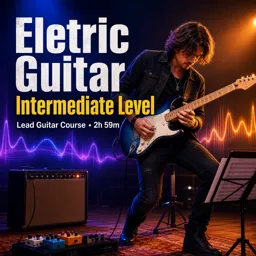
Duration of the online course: 2 hours and 59 minutes
5

(1)
Play cleaner solos with confident bends and fluid pentatonic linking in this free electric guitar course—build real lead skills fast, plus certificate options.
Ready to move beyond repeating the same boxed pentatonic licks? This free intermediate electric guitar course is designed for players who already know the basics and want to sound more intentional, musical, and confident when taking a lead. Instead of guessing during solos, you will learn how to navigate the fretboard with purpose, connect shapes smoothly, and develop the technique needed to make your ideas come out clearly through the amp.
You will strengthen the core mechanics that make intermediate lead playing feel effortless: steady timing with tempo goals, clearer note articulation, and control over expressive techniques such as bends, vibrato, slides, and finger-based articulation. The training emphasizes practical, real-world lead skills so your phrasing stops sounding like exercises and starts sounding like music. You will also work on linking patterns that help you travel between pentatonic positions without losing your place, turning separate shapes into one connected map across the neck.
As you progress, you will apply these tools to riffs and solo-style examples that build both vocabulary and confidence. The course focuses on developing strong habits, like tracking root notes, choosing effective fretboard landmarks, and improving coordination with targeted drills. You will also explore how to handle common solo situations, including moving through more than one key, while keeping your lines smooth and your timing consistent.
By the end, you should feel ready to improvise with greater freedom, control your bends so they ring cleanly, and switch positions without breaking the flow. Whether your goal is to jam with friends, write more compelling leads, or prepare for the next level of electric guitar techniques, this course gives you a structured path to measurable progress. It is a practical step forward for any guitarist who wants their lead playing to sound confident, expressive, and reliable.

2 hours and 59 minutes of online video course

Digital certificate of course completion (Free)

Exercises to train your knowledge

100% free, from content to certificate
What pentatonic-scale skills are covered in this intermediate electric guitar lead course?
The course teaches all five pentatonic shapes, linking patterns, fretboard navigation, and using the shapes for fluid lead playing.
Which lead guitar techniques can I practice in the intermediate course?
Lessons cover bends, double-note bends, pull-offs, slides, pentatonic licks, riff playing, and the 1-3-2-4 spider exercise.
How does the course help with electric guitar improvisation?
It develops improvisation through pentatonic-scale practice, locating root notes, connecting fretboard positions, and creating solos over different keys.
Ready to get started?Download the app and get started today.
Install the app now
to access the course
Over 5,000 free courses
Programming, English, Digital Marketing and much more! Learn whatever you want, for free.

Study plan with AI
Our app's Artificial Intelligence can create a study schedule for the course you choose.

From zero to professional success
Improve your resume with our free Certificate and then use our Artificial Intelligence to find your dream job.
You can also use the QR Code or the links below.




Free CourseElectric Guitar
5
(1)

25h45m

37 exercises
Free CourseMetal Guitar 101 for Beginners
5
(1)
52m
2 exercises

Free CourseEletric guitar
4.8
(18)
7h37m
36 exercises
Free CourseGuitar basics
4
(1)
1h09m
6 exercises

Free CourseLearn Blues Guitar
New
43m
8 exercises
Free CourseBeginner Eletric Guitar course
New
6h51m
40 exercises
Free CourseBeginner Eletric Guitar
New
3h21m
13 exercises
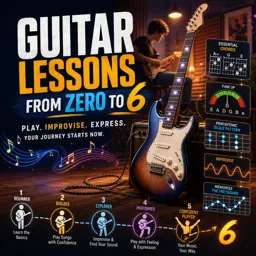
Free CourseGuitar Lessons From Zero To 6
New
3h03m
17 exercises
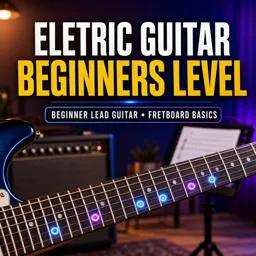
Free CourseEletric Guitar Beginners Level
New
3h10m
25 exercises
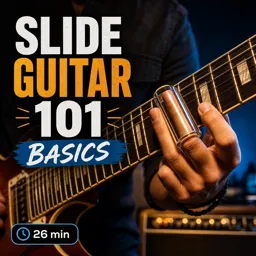
Free CourseSlide Guitar 101 Basics
New
26m
5 exercises
Carry knowledge in your pocket.
Download the Cursa app.
There are hundreds of free courses available, with a free certificate of completion that is saved in your mobile image gallery.
Download the app to access the Course Completion Certificate for Free.


+ 10 million
students

Free and Valid
Certificate

60 thousand free
exercises

4.8/5 rating in
app stores

Free courses in
video and ebooks