
Exercises
Explore the fundamentals of clarinet playing with this quiz on techniques and sounds. Test your understanding of reed materials, embouchure, chalumeau-register fingerings, overblowing, and the function of the register key. Questions also cover intonation adjustment, vibrato fingerings, techniques for rapid passages, throat tones, and the clarinet types known for darker, deeper tone colors. Whether you are a beginning clarinetist, a music student, or an experienced player reviewing essential concepts, this quiz offers a practical way to sharpen your knowledge of clarinet performance and sound production.
Answer the questions below and check the explanation for each answer.
0/10 answered
Auto audio on: the next questions will be read aloud when you click Continue.
The majority of clarinet reeds are made from cane, specifically species of Arundo donax. Cane reeds are preferred for their natural vibratory properties.
A firm lower lip with a relaxed upper lip is essential in creating a consistent tone and allows the reed to vibrate effectively.
Using the first finger of the left hand allows for the Bb note to be produced in the chalumeau, or lower register of the clarinet.
Overblowing on a clarinet allows the player to move to the next harmonic, effectively enabling higher pitches and extending the instrument's range.
The register key, when pressed, allows the clarinet player to move into the clarion register, which contains higher pitches than the chalumeau register.
The barrel of the clarinet is crucial for adjusting intonation. Small adjustments in its length can significantly affect pitch.
Vibrato on the clarinet is often produced using throat vibrato, which involves controlled throat movements.
Developing finger dexterity is essential for playing fast passages on the clarinet, allowing for fluid and rapid movement across the keys.
Throat tones are notes played using minimal finger pressure, leading to a specific resonance that can be challenging to control on the clarinet.
The bass clarinet is renowned for its deeper, mellower sound compared to its higher-pitched relatives.
Free CourseSaxophone to beginners - stage 1 -
4.9

(7)

1h27m

14 exercises
Free CourseSaxophone to beginners - stage 2 -
4.2
(6)
1h14m
10 exercises
Free CourseBeginner Saxophone quickstart
4
(1)
1h07m
7 exercises
Free CourseSaxophone course to Beginners
New
47m
5 exercises
Free CourseJazz Saxophone for Beginners
New
57m
10 exercises

Free CourseClarinet for beginners
New
2h45m
17 exercises

Free CourseSaxophone for beginners
New
1h32m
23 exercises
Free CourseBeginner Clarinet Lessons: Assembly, Embouchure, Fingerings and First Notes
New
55m
8 exercises
Thousands of online courses in video, ebooks and audiobooks.
To test your knowledge during online courses
Generated directly from your cell phone's photo gallery and sent to your email

Download our app via QR Code or the links below:.


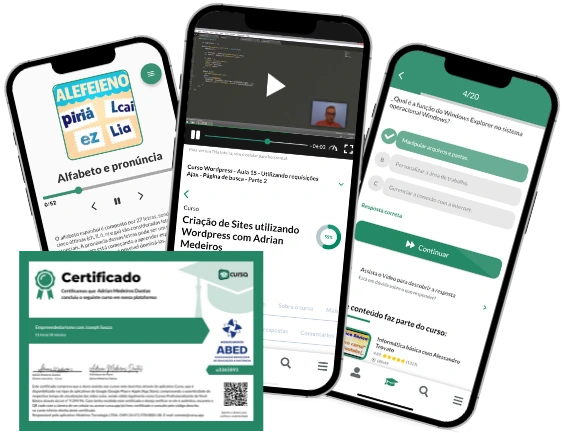
Carry knowledge in your pocket.
Download the Cursa app.
There are hundreds of free courses available, with a free certificate of completion that is saved in your mobile image gallery.
Download the app to access the Course Completion Certificate for Free.


+ 10 million
students

Free and Valid
Certificate

60 thousand free
exercises

4.8/5 rating in
app stores

Free courses in
video and ebooks