Exercises
Assess your intermediate purchasing management knowledge with this practical quiz on the core methods and decisions behind effective procurement. Explore purchasing objectives, supplier selection and performance evaluation, just-in-time inventory, economic order quantity (EOQ), lead time, total cost of ownership (TCO), vendor-managed inventory (VMI), bulk buying, competitive bidding, and purchasing strategy. Ideal for procurement professionals, supply chain students, buyers, and managers who want to strengthen their understanding of purchasing processes, inventory control, supplier relationships, and cost-effective sourcing.
Answer the questions below and check the explanation for each answer.
0/11 answered
Auto audio on: the next questions will be read aloud when you click Continue.
The main goal of purchasing management is to acquire goods and services that meet the company's needs in terms of quality and price, ensuring effective and efficient supply chain operations.
The 'just-in-time' model focuses on reducing inventory levels by synchronizing production schedules with supplier deliveries, thus minimizing holding costs and maximizing efficiency.
While various factors are important in supplier selection, quality assurance is paramount to ensure that products meet the company's standards and operational requirements.
EOQ is a crucial inventory management tool that helps in determining the optimal order size to minimize the combined costs of purchasing and holding stock.
'Lead time' is crucial in managing inventory levels and scheduling, as it defines the period between ordering and being able to use the purchased product, impacting resource allocation and planning.
A successful purchasing strategy aligns with overall business objectives, such as cost control, quality improvement, or innovation, rather than focusing solely on price reductions.
'Total Cost of Ownership' refers to assessing the complete cost of a product over its lifecycle, including purchase price, operation, maintenance, and disposal.
A supplier scorecard is an evaluation tool that measures a supplier's performance across various criteria like quality, delivery, and cost, facilitating better supplier relationship management.
In a VMI system, suppliers manage inventory levels at the buyer's location based on demand and replenishment signals, improving supply chain efficiency and reducing stockouts.
Bulk buying can lead to significant cost savings through volume discounts, which lower the per-unit cost, motivating companies to purchase in larger quantities.
Competitive bidding promotes fairness and better pricing as suppliers compete to win contracts, resulting in cost-effective procurement for the company.
Thousands of online courses in video, ebooks and audiobooks.
To test your knowledge during online courses
Generated directly from your cell phone's photo gallery and sent to your email

Download our app via QR Code or the links below:.


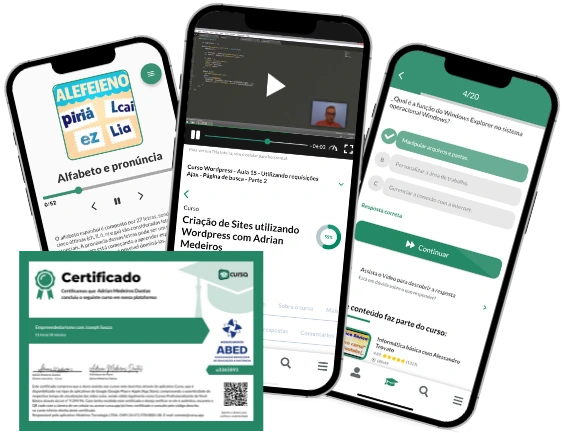
Carry knowledge in your pocket.
Download the Cursa app.
There are hundreds of free courses available, with a free certificate of completion that is saved in your mobile image gallery.
Download the app to access the Course Completion Certificate for Free.


+ 10 million
students

Free and Valid
Certificate

60 thousand free
exercises

4.8/5 rating in
app stores

Free courses in
video and ebooks