
Exercises
Assess your understanding of medications used to manage type 2 diabetes. This quiz covers metformin, insulin, sulfonylureas, incretin-based therapies, SGLT2 inhibitors, thiazolidinediones, and other glucose-lowering drugs. Questions address mechanisms of action, adverse effects, contraindications, emergency treatment, perioperative management, and injection technique.
Answer the questions below and check the explanation for each answer.
0/16 answered
Auto audio on: the next questions will be read aloud when you click Continue.
Metformin primarily reduces hepatic gluconeogenesis, thereby lowering the amount of glucose released by the liver. It also modestly improves insulin sensitivity.
Sulfonylureas bind the SUR1 component of beta-cell ATP-sensitive potassium channels. Channel closure causes depolarization, calcium entry, and insulin release.
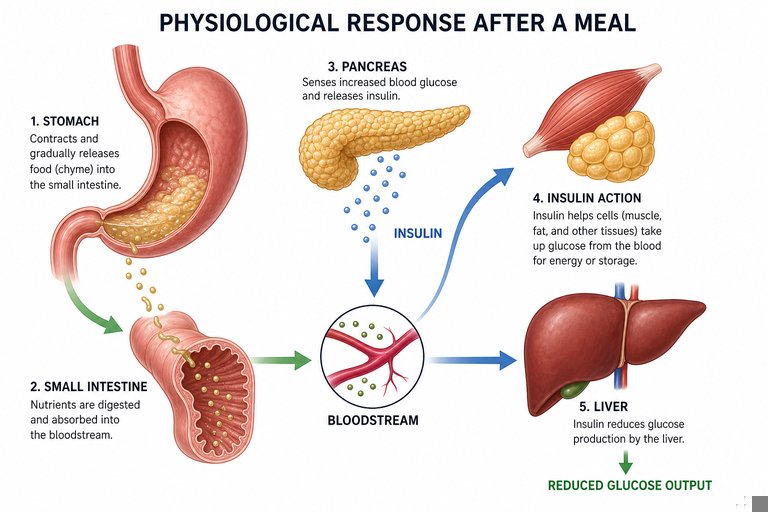
GLP-1 receptor agonists enhance glucose-dependent insulin secretion, reduce inappropriate glucagon release, and delay gastric emptying. These effects lower glucose with relatively little hypoglycemia when used alone.
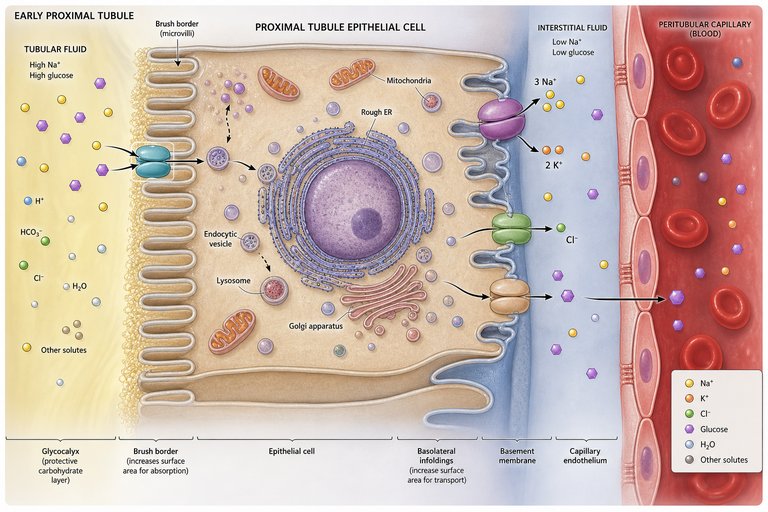
SGLT2 inhibitors block the major sodium-glucose cotransporter in the early proximal tubule. This reduces renal glucose reabsorption and increases urinary glucose excretion.
DPP-4 inhibitors prolong the activity of endogenous GLP-1 and GIP by reducing their enzymatic degradation. This supports glucose-dependent insulin release and lowers glucagon secretion.
Pioglitazone activates the nuclear receptor PPAR-gamma. The resulting changes in gene expression increase insulin sensitivity in adipose tissue and other peripheral tissues.
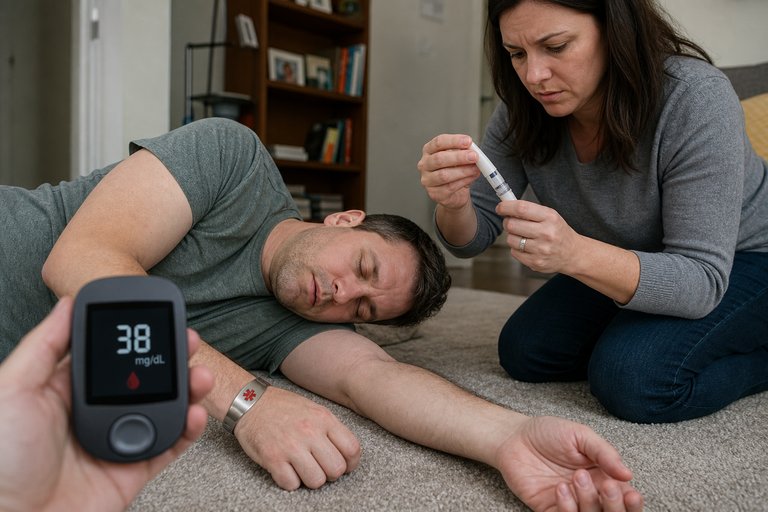
Glucagon can raise blood glucose by stimulating hepatic glycogen breakdown and is suitable when severe hypoglycemia prevents safe oral intake and intravenous access is unavailable.
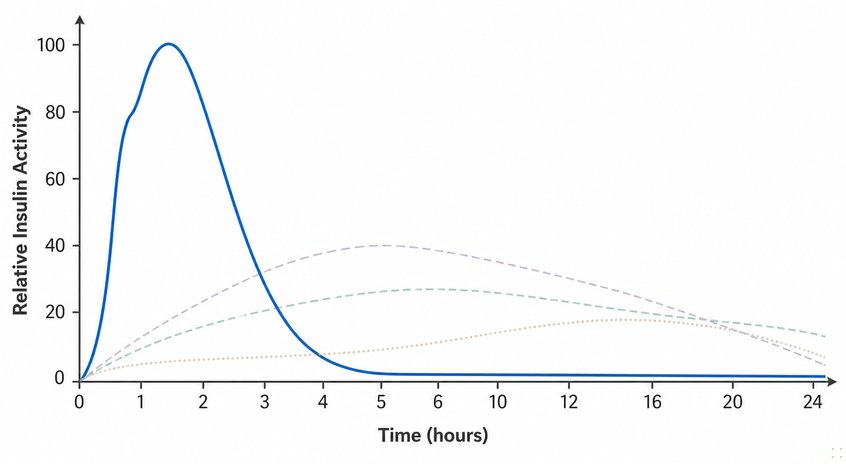
Rapid-acting insulin analogs have a fast onset, an early peak, and a relatively short duration. Their profile makes them useful for controlling glucose elevations associated with meals.
Insulin glargine is a long-acting basal insulin with a comparatively flat action profile. Regular insulin is short acting, while NPH has a more pronounced peak.
SGLT2 inhibitors can rarely contribute to ketoacidosis without marked hyperglycemia. Symptoms such as nausea, abdominal pain, rapid breathing, or malaise warrant ketone assessment.
Semaglutide, a GLP-1 receptor agonist, commonly produces clinically meaningful weight loss. Sitagliptin is usually weight neutral, while glyburide can promote weight gain.
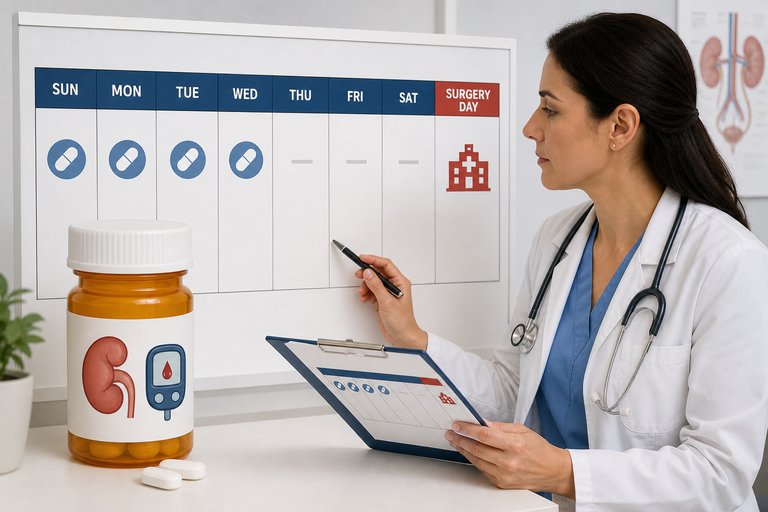
Most SGLT2 inhibitors should be stopped at least three days before scheduled surgery because fasting and surgical stress increase ketoacidosis risk. Ertugliflozin generally requires a longer interval.
Acarbose inhibits intestinal alpha-glucosidase enzymes, delaying complex carbohydrate digestion and glucose absorption. It primarily reduces postprandial glucose elevations.
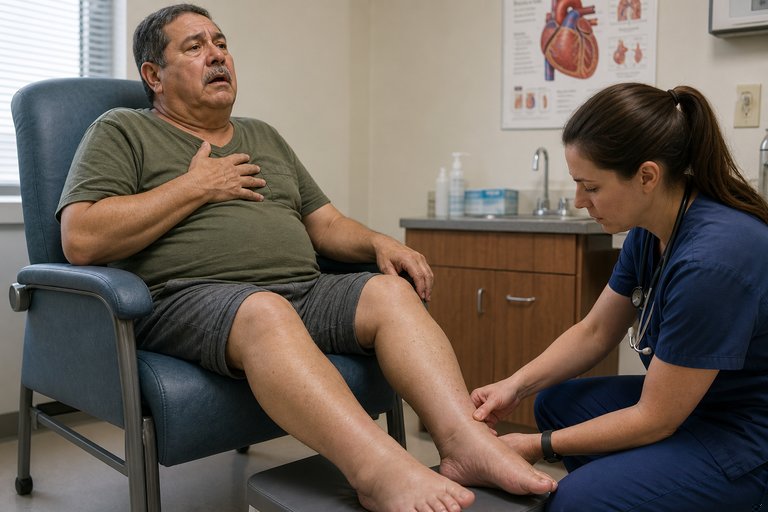
Pioglitazone can cause sodium and fluid retention, peripheral edema, and worsening heart failure. This risk is an important limitation of thiazolidinedione therapy.
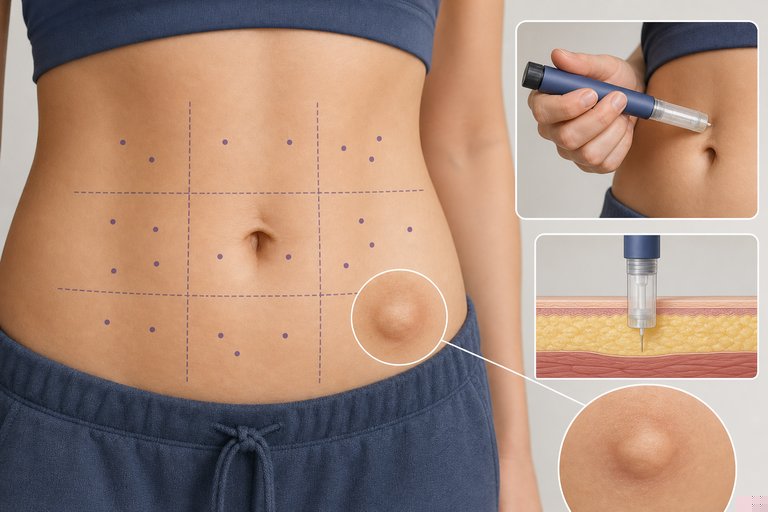
Repeated injections at one point can cause lipohypertrophy and unpredictable insulin absorption. Systematic site rotation helps protect tissue while maintaining use of appropriate injection regions.
Metformin is contraindicated when eGFR is below 30 mL/min/1.73 m² because drug accumulation increases the risk of metformin-associated lactic acidosis. Renal function should be monitored during therapy.
Free CourseIntroduction to Clinical Pharmacology and Therapeutics
4.9

(19)

1h22m

8 exercises
Free CoursePharmacology complete
4.9
(15)
42h15m
39 exercises
Free CoursePharmacology
4.8
(5)
5h57m
17 exercises
Free CourseIntroduction to Pharmacology
4.8

(8)
8h21m
26 exercises
Free CourseIntroduction to Pharmacology
4.5
(4)
38m
5 exercises
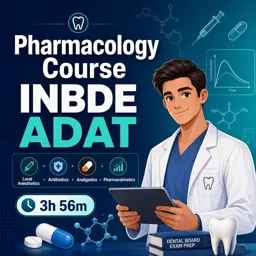
Free CoursePharmacology Course INBDE ADAT
4.5
(4)
3h56m
10 exercises

Free CourseIntroduction to Pharmacology for fundamentals
4
(2)
1h42m
10 exercises

Free CourseIntroduction to Pharmacology
3.7
(3)
1h05m
6 exercises
Thousands of online courses in video, ebooks and audiobooks.
To test your knowledge during online courses
Generated directly from your cell phone's photo gallery and sent to your email

Download our app via QR Code or the links below:.


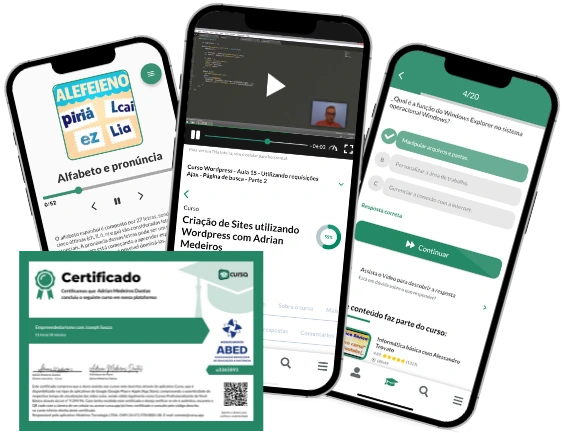
Carry knowledge in your pocket.
Download the Cursa app.
There are hundreds of free courses available, with a free certificate of completion that is saved in your mobile image gallery.
Download the app to access the Course Completion Certificate for Free.


+ 10 million
students

Free and Valid
Certificate

60 thousand free
exercises

4.8/5 rating in
app stores

Free courses in
video and ebooks