
Exercises
Put your antibiotics pharmacology knowledge to the test. This quiz covers major antibiotic classes and their mechanisms of action, including cell wall, protein, and DNA synthesis inhibitors. Review important adverse effects such as fluoroquinolone-associated tendon rupture and tetracycline effects in young children, as well as clinical considerations involving myasthenia gravis, renal excretion, and gram-positive coverage. Questions also explore the purpose of clavulanic acid, vancomycin activity, and treatments for Clostridium difficile infection. Ideal for medical, nursing, pharmacy, and healthcare students reviewing antimicrobial drugs.
Answer the questions below and check the explanation for each answer.
0/10 answered
Auto audio on: the next questions will be read aloud when you click Continue.
Amoxicillin is a type of penicillin antibiotic that inhibits the synthesis of the bacterial cell wall. This action leads to the destruction of the bacteria, as they cannot maintain their structural integrity without a cell wall.
Macrolides, including azithromycin, are antibiotics that function by disrupting bacterial protein synthesis. They bind to the 50S subunit of the bacterial ribosome, interfering with the translocation process in protein elongation, effectively halting bacterial growth and replication.
Levofloxacin is a fluoroquinolone antibiotic that is known to have a potential side effect of causing tendonitis and tendon rupture, including the Achilles tendon. This risk of tendon damage is well-documented in fluoroquinolones, whereas doxycycline and cephalexin do not commonly share this side effect profile.
Tetracyclines, including doxycycline, are contraindicated in children under 8 years old primarily because they can bind to calcium ions in the teeth during their development. This results in permanent teeth discoloration. The deposition of tetracyclines in developing teeth causes a yellow to brownish discoloration, which is why their use is avoided in young children unless absolutely necessary.
Clavulanic acid is combined with amoxicillin primarily to inhibit beta-lactamase enzymes. These enzymes are produced by bacteria to resist antibiotic action by breaking down the beta-lactam ring present in antibiotics like amoxicillin. By inhibiting these enzymes, clavulanic acid protects amoxicillin from degradation, enhancing its effectiveness against bacteria that produce beta-lactamase.
Aminoglycosides are known to cause neuromuscular blockade, which can exacerbate the symptoms of myasthenia gravis. Therefore, they should be avoided in patients with a history of this condition to prevent worsening muscle weakness.
Vancomycin is most effective against Gram-positive bacteria. This is because it targets the bacterial cell wall synthesis, and Gram-positive bacteria have a thicker peptidoglycan layer in their cell walls, making them more susceptible to vancomycin.
Fluoroquinolones are a class of antibiotics that primarily work by inhibiting bacterial DNA gyrase and topoisomerase IV. These enzymes are essential for bacterial DNA replication, transcription, repair, and recombination. By inhibiting them, fluoroquinolones effectively prevent bacteria from multiplying and, thereby, treat bacterial infections.
Metronidazole is one of the antibiotics used to treat Clostridium difficile infections, although its use is becoming less common with the increased preference for oral Vancomycin or Fidaxomicin. Nevertheless, Metronidazole can still be used for mild to moderate infections when the others are not suitable or available.
Erythromycin is the correct answer as it is primarily metabolized in the liver and excreted in bile and feces. In contrast, Ciprofloxacin and Nitrofurantoin are primarily excreted by the kidneys, making them less suitable in patients with renal impairment compared to erythromycin.
Free CourseIntroduction to Clinical Pharmacology and Therapeutics
4.9

(18)

1h22m

8 exercises
Free CoursePharmacology complete
4.9
(15)
42h15m
39 exercises
Free CourseIntroduction to Pharmacology
4.9
(7)
8h21m
26 exercises
Free CoursePharmacology
4.8
(5)
5h57m
17 exercises
Free CoursePharmacology complete
4.7

(9)
7h37m
36 exercises
Free CourseIntroduction to Pharmacology
4.5
(4)
38m
5 exercises
Free CoursePharmacology Course INBDE ADAT
4.5
(4)
3h56m
10 exercises
Free CourseIntroduction to Pharmacology for fundamentals
4
(2)
1h42m
10 exercises
Thousands of online courses in video, ebooks and audiobooks.
To test your knowledge during online courses
Generated directly from your cell phone's photo gallery and sent to your email

Download our app via QR Code or the links below:.


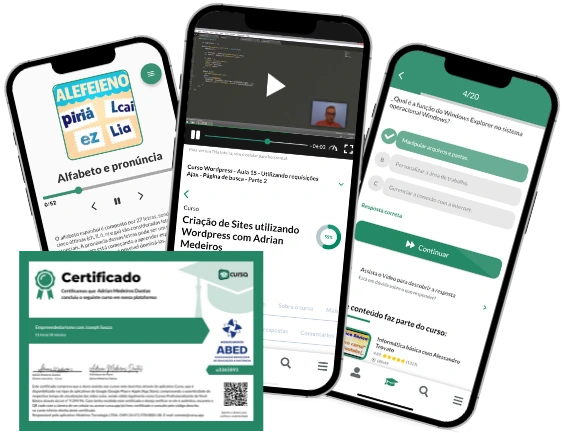
Carry knowledge in your pocket.
Download the Cursa app.
There are hundreds of free courses available, with a free certificate of completion that is saved in your mobile image gallery.
Download the app to access the Course Completion Certificate for Free.


+ 10 million
students

Free and Valid
Certificate

60 thousand free
exercises

4.8/5 rating in
app stores

Free courses in
video and ebooks