Exercises
Put your investigative journalism knowledge to the test. This quiz explores the purpose and methods of reporting that uncovers wrongdoing, corruption, and issues of public interest. Answer questions on essential research and verification skills, reviewing public records, using Freedom of Information requests, protecting confidential sources, and handling anonymous tips responsibly. You will also examine muckraking, common legal risks such as defamation claims, and the ethical standards journalists must follow. Ideal for students, aspiring reporters, and anyone interested in how rigorous, evidence-based journalism holds powerful institutions accountable.
Answer the questions below and check the explanation for each answer.
0/10 answered
Auto audio on: the next questions will be read aloud when you click Continue.
The primary goal of investigative journalism is to uncover the truth about matters of public interest and accountability. It involves in-depth research and reporting to expose issues like corruption, inefficiencies, and misconduct, aiming to inform the public and promote transparency.
Data analysis is a crucial skill for an investigative journalist as it allows them to interpret complex data sets, discover patterns, trends, and anomalies that can lead to significant stories. It enhances their ability to verify facts and uncover hidden information, making it an essential tool in modern journalism.
The term for a system where journalists protect the identity of their sources if they wish to remain anonymous is Source protection. This ensures that sources can provide information without fear of exposure, which is crucial for investigative journalism and freedom of the press.
Investigative journalism often involves thoroughly analyzing public records and databases to uncover information that is not readily available to the public. This process is essential for researching topics, verifying facts, and providing in-depth reporting on issues of public interest.
Investigative journalists frequently face libel and defamation lawsuits as a common legal challenge. This happens when individuals or organizations claim that the journalist's reporting contains false information that could harm their reputation. Journalists must ensure their reports are accurate and well-substantiated to defend against such legal actions.
In investigative journalism, an essential element is the credibility and reliability of the source. Journalists must verify information by ensuring that their sources are trustworthy and accurate, which helps maintain the integrity and dependability of the investigation and its outcomes.
Freedom of Information (FOI) requests are legal tools that investigative journalists use to gain access to information held by public authorities. These requests allow journalists to obtain official documents and data that might not be readily available to the public, providing insights into government operations, decisions, and spending. This transparency is crucial for holding public officials accountable and uncovering stories in the public interest.
Anonymous sources are frowned upon in journalism due to credibility issues, but they are considered sometimes necessary for reporting on sensitive topics where the source's safety or job might be at risk. Using anonymous sources responsibly, along with verification, is a recognized practice in investigative journalism.
Muckraking is a term especially associated with investigative journalism that seeks to expose corruption, societal problems, or misconduct in order to bring about reform. Hence, Reporting that aims to expose misconduct best describes 'muckraking'.
Investigative journalists must adhere to the ethical principle of truthfulness. Embellishing facts violates this principle as it distorts the truth, potentially misinforming the public. Unlike the need to avoid embellishing, remaining objective and the use of technical jargon are more about style and clarity than ethical breaches.
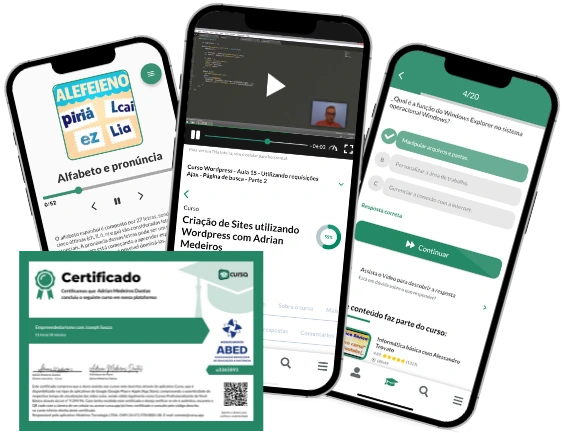
Thousands of online courses in video, ebooks and audiobooks.
To test your knowledge during online courses
Generated directly from your cell phone's photo gallery and sent to your email

Download our app via QR Code or the links below:.


Carry knowledge in your pocket.
Download the Cursa app.
There are hundreds of free courses available, with a free certificate of completion that is saved in your mobile image gallery.
Download the app to access the Course Completion Certificate for Free.


+ 10 million
students

Free and Valid
Certificate

60 thousand free
exercises

4.8/5 rating in
app stores

Free courses in
video and ebooks