
Exercises
Strengthen your practical Scrabble skills with questions covering legal plays, scoring, premium squares, rack management, hooks, parallel plays, tile exchanges, and endgame calculation. This quiz combines foundational rules with strategic concepts that help players improve board awareness, preserve useful tiles, identify scoring opportunities, and make informed decisions throughout a game.
Answer the questions below and check the explanation for each answer.
0/14 answered
Auto audio on: the next questions will be read aloud when you click Continue.
A standard Scrabble board is a 15-by-15 grid containing 225 squares.
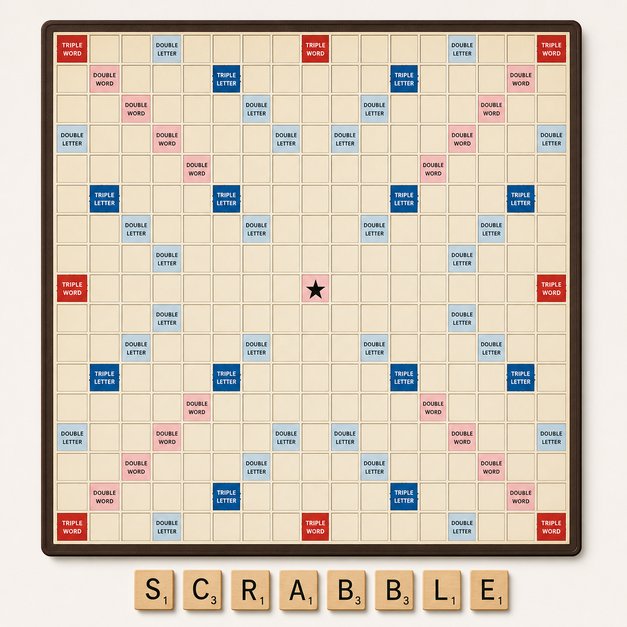
The first word must be placed horizontally or vertically so that at least one of its tiles covers the board's center square.
A player normally maintains a rack of seven tiles, drawing replacements after each play when enough tiles remain.
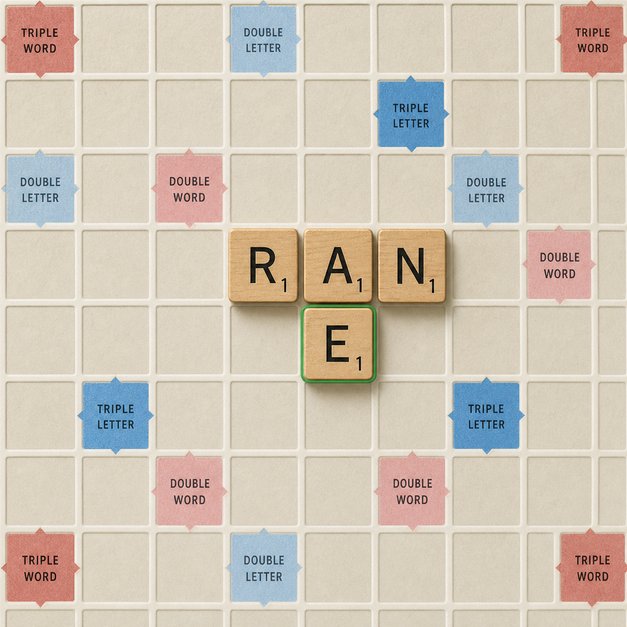
A premium square is used only when a tile is first placed on it. On later turns, the tile keeps its ordinary printed value.
A blank may represent an available letter, but its own scoring value remains zero, even on a letter-premium square.
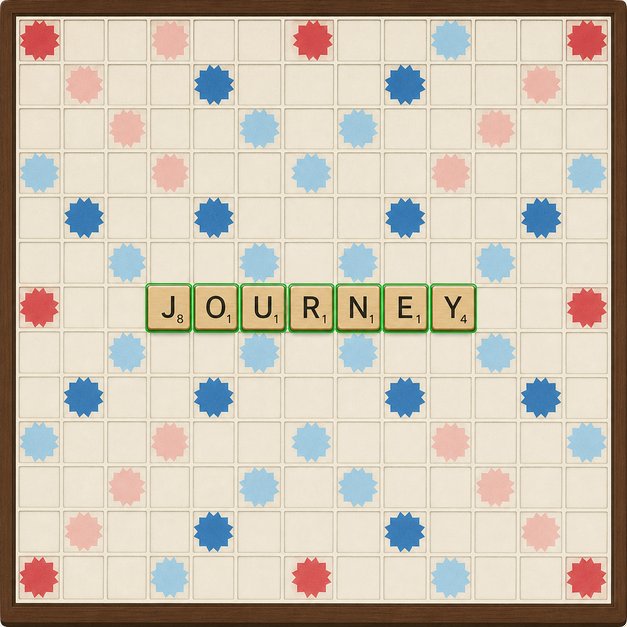
Using all seven rack tiles in one turn is commonly called a bingo and earns a 50-point bonus in addition to the word score.
A tile exchange is permitted when at least seven tiles remain in the bag. The exchange uses the player's turn and scores no points.
Tiles played on one turn must lie in a single row or column. The play must connect with the existing position, and every word it creates must be valid.
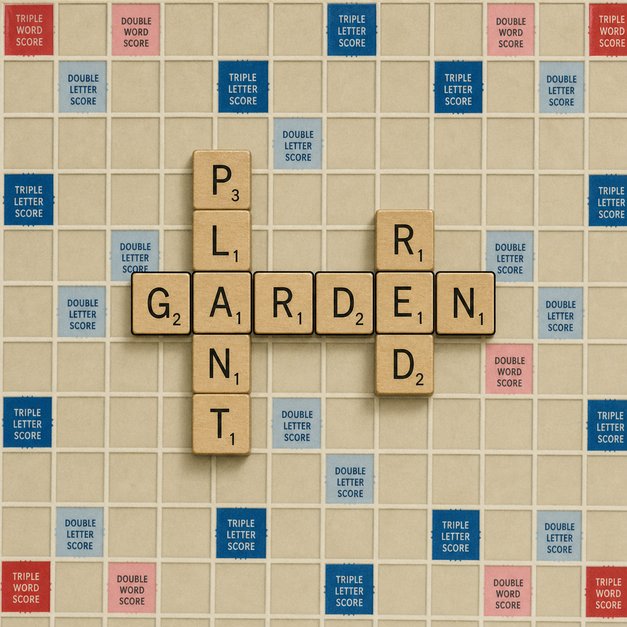
The main word and every valid cross-word created during the turn are scored. Shared newly placed tiles contribute to each word in which they appear.
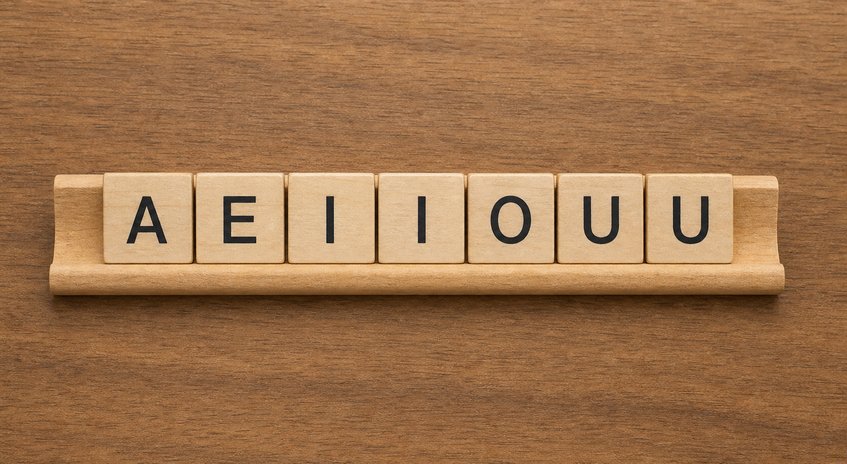
The rack is badly unbalanced because every tile is a vowel. Playing or exchanging several vowels can improve the chance of drawing useful consonants.
An S can pluralize or extend many existing words. This often allows a player to score the extended word while building a new crossing word.
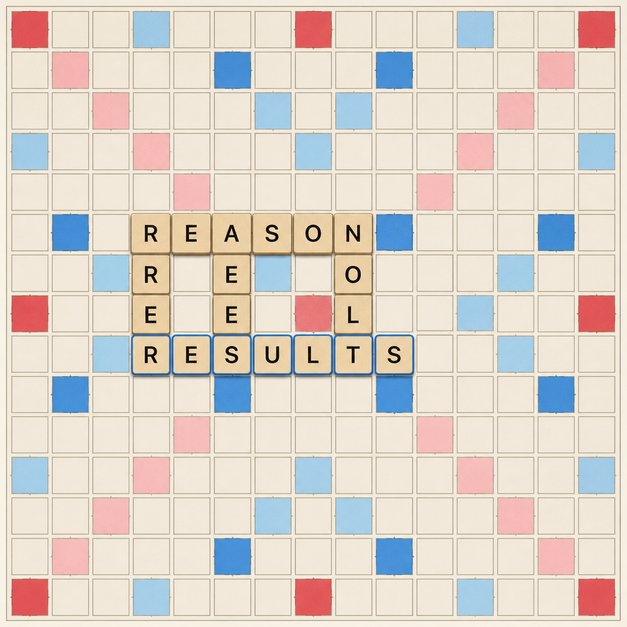
A parallel play places a word beside existing tiles so that multiple perpendicular words are formed. Each valid new word adds to the turn's score.
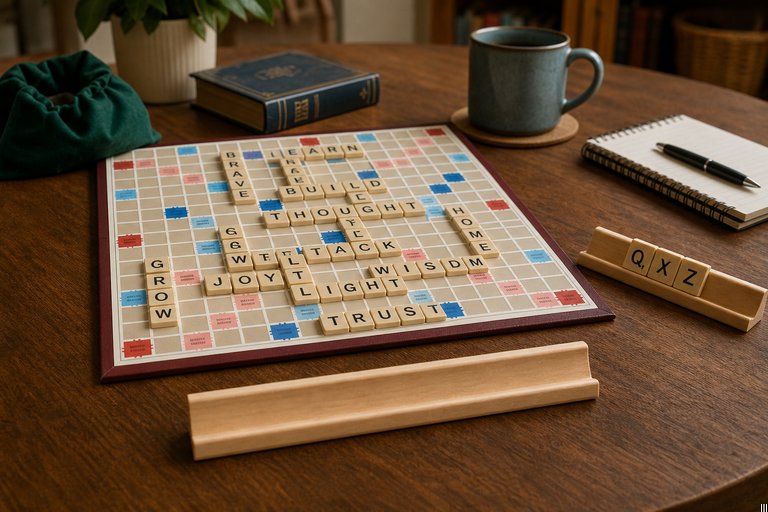
When a player goes out, the value of each opponent's remaining tiles is deducted from that opponent and added to the score of the player who went out.
By recording tiles already seen, a player can estimate the unseen pool or determine an opponent's exact rack near the end, supporting better scoring and defensive choices.
Free CourseChess tactics
4.9

(11)

7h02m

26 exercises
Free CourseBeginner to Chess Master
4.8
(37)
13h55m
24 exercises
Free CourseChess rules for beginners
2
(2)
19m
4 exercises
Free CourseChess course from Beginner to Master
New
156h15m
20 exercises
Free CourseBeginner guide to Chess
New
31m
6 exercises
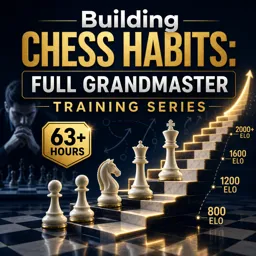
Free CourseBuilding Chess Habits: Full Grandmaster Training Series
New
63h28m
30 exercises
Thousands of online courses in video, ebooks and audiobooks.
To test your knowledge during online courses
Generated directly from your cell phone's photo gallery and sent to your email

Download our app via QR Code or the links below:.


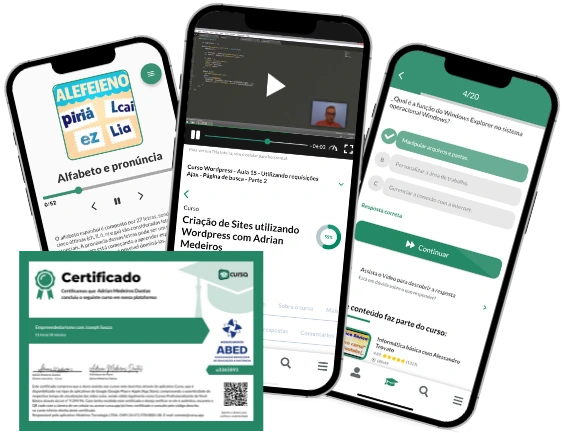
Carry knowledge in your pocket.
Download the Cursa app.
There are hundreds of free courses available, with a free certificate of completion that is saved in your mobile image gallery.
Download the app to access the Course Completion Certificate for Free.


+ 10 million
students

Free and Valid
Certificate

60 thousand free
exercises

4.8/5 rating in
app stores

Free courses in
video and ebooks