In this decade the planet is in need of health professionals and many areas are on the rise. First, we saw with the Covid-19 pandemic there are several professionals that we didn’t know were needed in an ICU.
We now know that a physical therapist plays a role in the recovery of a person who has had complications with the coronavirus. Do you want to work in healthcare? Update yourself on this article and then go to our categories to find out about the courses they have to help you.
First area on the rise: Nursing
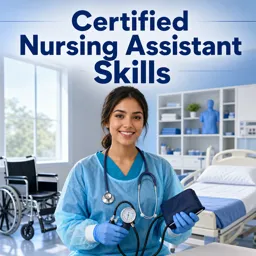
We think that any professional who attends us at the hospital or clinic is a nurse, but he is not. The nurse is a person with a degree in Nursing. Most of the attendants we see in hospitals and clinics are nursing technicians or assistants.
As the name implies, a technician took the Nursing Technician course, because it is cheaper and faster to complete. Therefore, many health professionals do not take the undergraduate Nursing course because it is longer and more expensive. However, it opens up a range of work possibilities, such as the ICU itself and Home Care. This type of work is in the patient’s home who needs a specialist for recovery or follow-up.
Second area on the rise: Physiotherapy
Rehabilitation of a patient is an important point in medical care. To be a physiotherapist is to restore functions or improve the person’s life condition. We constantly see people in need of physical therapy and the field of work is vast.
It is normal to see these professionals in clinics and hospitals. Currently, the workplace can also be in gyms and sports clubs.
Third area on the rise: Medicine
The most competitive course in all entrance exams is in our article. We are already aware that it is the most profitable career in terms of salary. However, I need to make it clear that the most difficult.
We know that it is the most sought after, yet it is good to remember that to be a doctor there is a long way to go. There are 6 years of training and at least 2 more years of residency in the area you want to work. Choose your specialization well, but know that the areas that deal with aging, genetics and beauty are the ones that most need professionals.
Conclusion
Thus, we realize that working in the health area is a wise choice in this decade of 2020. We know that large urban centers can be saturated for some areas. Therefore, working in the interior of the country can be a great option for a recent graduate.
In this article I show some areas that are on the rise in health, however, there are others such as Biomedicine and Dentistry to be explored. Finally: do you want help choosing your future in healthcare? On our website and app, we have several introductory courses related to these areas, please take advantage of it.