Introduction to Nursing
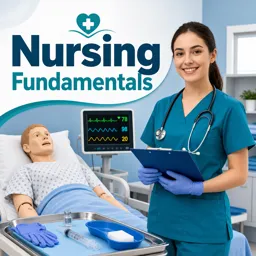
Nursing is more than just a profession—it’s a lifelong commitment to caring for others, often during their most vulnerable moments. A nurse’s role goes beyond administering treatments; it involves understanding patient needs, providing comfort, and offering emotional support. Whether you’re aspiring to become a registered nurse or looking to enhance your expertise, a career in nursing is both challenging and rewarding.
Understanding the Basics
The foundation of nursing education starts with anatomy, physiology, and medical fundamentals. Understanding how the human body functions is crucial for diagnosing symptoms, administering treatments, and ensuring holistic patient care.
💡 What You Can Learn in Free Nursing Courses: ✔ Anatomy & Physiology – Learn how the body’s systems interact.
✔ Basic Medical Procedures – How to measure vital signs, perform wound care, and assist in daily patient activities.
✔ Hygiene & Infection Control – Preventing infections and ensuring sanitary medical environments.
Developing Patient Care Skills
Patient care is the core of nursing. Compassion, efficiency, and strong communication are essential traits every nurse should develop. Online courses can help you gain practical skills to deliver patient-centered care effectively.
💉 Key Skills You Can Learn: ✔ Administering Medications – Understanding dosages, side effects, and safe medication practices.
✔ Patient Communication – Techniques for talking to patients and providing emotional support.
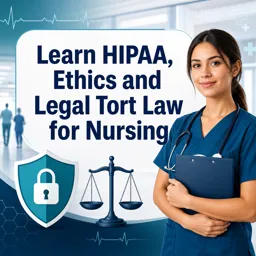
✔ Medical Ethics & Confidentiality – Ensuring patient privacy and upholding professional standards.
🩺 Practical Training
Most nursing courses offer virtual simulations and case studies, allowing students to practice decision-making skills in real-world scenarios.
Exploring Advanced Nursing Practices
As healthcare advances, nurses need to stay updated with new medical technologies, research, and treatment methodologies. Specialized courses allow nurses to enhance their skills and explore leadership roles.
📚 Advanced Topics Covered in Free Courses: ✔ Pain Management & Critical Thinking – How to assess and treat patients with chronic conditions.
✔ Emergency & Trauma Care – Responding to critical situations efficiently.
✔ Specialized Nursing Fields – Exploring pediatric, geriatric, surgical, and psychiatric nursing.
🔬 Nursing & Technology
Nurses today work with electronic health records (EHRs), telemedicine, and advanced medical equipment. Free online courses provide insights into how technology is transforming patient care.
The Path Forward
Whether you’re just starting your nursing journey or an experienced professional seeking career growth, online learning offers flexible and accessible options to upgrade your skills at your own pace.
📌 Benefits of Free Online Nursing Courses:
✔ Learn at your convenience, anywhere, anytime.
✔ Gain access to high-quality educational materials without financial constraints.
✔ Expand career opportunities by exploring specialized nursing fields.
✔ Stay updated with modern nursing practices and evolving healthcare trends.
Conclusion
Nursing is an essential and ever-evolving field that plays a critical role in global healthcare. By taking advantage of free nursing courses, you can expand your knowledge, develop essential patient care skills, and explore advanced nursing practices—all while preparing for a fulfilling and impactful career.
🚀 Start your journey today and take the first step toward a rewarding nursing career!