Introduction
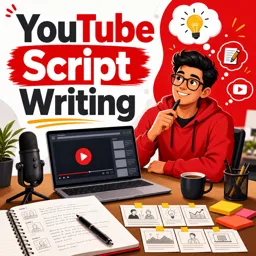
YouTube script writing is a critical skill for any aspiring or established YouTuber. Crafting an engaging script ensures your content stays concise, impactful, and keeps viewers watching from start to finish. In this guide, we’ll break down the essential steps to writing scripts that boost retention, communicate your message clearly, and reflect your unique voice.
Why Script Writing Matters for YouTube
Unlike spontaneous vlogging or live streams, pre-written scripts provide structure and professionalism to your videos. This organization reduces filler words, improves clarity, and allows for smoother edits. Even if your channel leans on casual content, great scripts help keep you on track and avoid rambling.
Step 1: Understand Your Audience
Before starting a script, pinpoint who you’re speaking to. Is your audience teenagers searching for quick tips, or professionals seeking in-depth tutorials? Understanding your viewers influences tone, language, and content depth.
Step 2: Start Strong with an Attention-Grabbing Hook
The first 10 seconds are vital. Begin your script with a compelling statement, intriguing question, or bold promise. For example, “Ever wonder why most YouTube videos don’t get views? Here’s what you’re missing…” This instantly captures attention and compels viewers to keep watching.
Step 3: Structure with Purpose
A solid structure helps viewers follow your points. A typical YouTube script includes:
- Introduction – Who you are and what the video is about.
- Main Content – Key points, explained in logical order.
- Calls to Action – Encourage likes, comments, and subscriptions.
- Outro – Summarize and guide viewers to other videos or playlists.
Step 4: Write Conversationally
The best YouTube scripts sound natural. Read your script aloud as you go—if it feels stiff, rephrase with contractions and casual language. Imagine talking to a friend instead of delivering a formal speech.
Step 5: Add Visual and Audio Cues
A great script considers more than just what’s said. Add notes for B-roll, cutaways, graphics, or sound effects in brackets. For example: [Cut to infographic] or [Add cheerful background music]. This enhances your video’s professionalism and keeps viewers engaged.
Step 6: Edit for Brevity and Impact
Cut out any redundancies or tangents. Keep sentences short and snappy. Remember, most audiences prefer videos that get to the point quickly. Don’t be afraid to remove anything that doesn’t serve your main message.
Step 7: Practice Delivery
Before hitting record, rehearse your script. This helps you spot awkward phrases, adjust your pacing, and prepare for smooth delivery. Practicing also boosts your confidence on camera.
Conclusion
Effective YouTube script writing is a blend of planning, creativity, and authenticity. By following these steps, you’ll craft scripts that not only boost watch time but foster a loyal audience. Keep practicing, refine your voice, and remember: Every great video starts with a strong script!