Introduction to Salsa Partner Connection
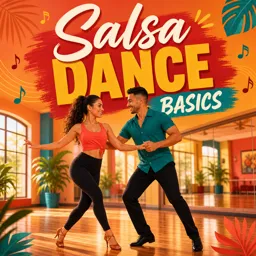
Salsa dance is celebrated for its vibrant rhythms, energetic movements, and dynamic partner connection. While mastering footwork is essential, understanding how to connect with your partner is what makes salsa truly enjoyable and expressive for both dancers.
Why Partner Connection Matters
The essence of salsa lies in the interaction between dancers. A strong partner connection:
- Improves communication and synchronization
- Enables smoother transitions and cleaner execution
- Enhances musicality and improvisation
- Builds trust between the leader and the follower
With an effective connection, dancers can move together fluidly, regardless of experience level.
Key Principles of Salsa Partner Connection
- Frame: Maintain a gentle but firm frame. The leader offers clear guidance, and the follower responds with balanced tension.
- Hand Placement: Keep hands relaxed. Avoid gripping or forcing movements for greater comfort and control.
- Tension and Pressure: Apply light, consistent resistance. Too much force creates stiffness; too little causes miscommunication.
- Body Awareness: Stand tall with proper posture and core engagement, helping partners move intuitively and naturally.
Developing Non-Verbal Communication
In salsa, subtle cues make a big difference. A slight shift in weight, gentle hand guidance, or even sustained eye contact can signal the next move. Practicing these non-verbal skills strengthens trust and enhances connection between partners.
Exercises to Enhance Connection
- Mirroring Drill: Without music, mirror your partner’s basic movements to improve timing and sensitivity.
- Closed-Position Practice: Dance in a close embrace to better read your partner’s body language.
- Changing Leads: Switch roles frequently to understand both perspectives and become a more adaptable dancer.
Conclusion
Salsa partner connection turns individual steps into an expressive, shared experience. By refining your frame, communication, and awareness, you can create a seamless partnership on the dance floor and enjoy salsa at a deeper, more engaging level.