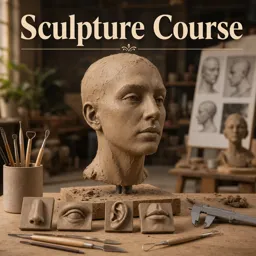
Introduction to Sculpture as a Craft
Sculpture is one of humanity’s oldest creative crafts, turning raw materials into expressive, dimensional works of art. For aspiring professionals, mastering the basic skills, core principles, and studio practices of sculpture is essential. Whether your goal is to pursue fine art, create public installations, or specialize in architectural ornamentation, building a strong foundation is the first step toward success.
Understanding Materials in Sculpture
The starting point for any sculptor is material knowledge. Common media include clay, wood, stone, metal, and modern synthetic compounds. Each has unique qualities—texture, weight, durability—and demands specific tools and techniques. Developing expertise with various materials allows you to choose the ideal medium for each project and achieve professional-level results.
Essential Tools and Techniques
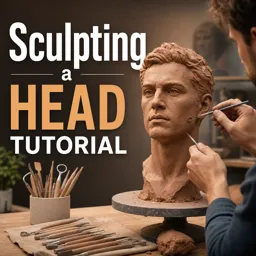
A sculptor’s toolkit ranges from simple chisels and modeling tools to advanced power equipment. Learning proper handling and safety practices is crucial not only for efficiency but also for preserving your health and the quality of your work. Beginners benefit from practicing on small-scale studies before progressing to complex commissions or large installations.
Developing Three-Dimensional Awareness
Unlike two-dimensional art forms, sculpture requires a keen sense of spatial awareness. Training your eye and hand to understand volume, proportion, and balance is vital. Techniques such as observational drawing, model-making, and creating maquettes help refine this ability and prepare you for larger, more ambitious projects.
Building a Professional Practice
Sculpture as a career blends craftsmanship, creativity, and business skills. Successful sculptors often build strong portfolios, connect with galleries, collaborate with architects, and participate in public art projects. Formal education, apprenticeships, and mentorships provide invaluable guidance, while showcasing your work online can attract clients and commissions.
Conclusion: From Foundations to Mastery
Mastering sculpture is a lifelong journey of skill development, artistic exploration, and professional growth. By learning the essentials, practicing consistently, and seeking mentorship, you lay the groundwork for a sustainable career in the craft. With dedication and vision, your hands can bring enduring works of art to life.