Introduction
The fashion industry is a fast-paced, ever-evolving field that demands more than just creativity. To thrive, aspiring professionals need a balanced mix of innovation, strategic insight, and strong business skills. Whether you aim to create your own brand or support the development of collections behind the scenes, knowing the essential skills required can help guide your success in the competitive world of fashion.
Understanding the Fashion Business Landscape
Fashion goes beyond clothing—it’s a sophisticated system of trend analysis, product development, marketing, customer engagement, and brand management. Building a successful fashion business means integrating creativity with sound strategies that ensure profitability and sustainability. Professionals must be attuned to market movements while delivering products that resonate with their target audience.
Essential Skills for Fashion Business Professionals
- Trend Forecasting: Predicting and analyzing emerging trends is critical for creating timely and relevant collections that connect with consumers.
- Brand Building: A strong brand identity includes consistent messaging, visuals, and values. It’s the foundation for customer loyalty and long-term growth.
- Marketing & Communication: Digital marketing, social media, and PR skills are essential to build visibility and grow a community around your brand.
- Product Management: Overseeing the entire lifecycle of a product—from concept to launch—ensures alignment with market needs and quality standards.
- Supply Chain Knowledge: Knowing how to source materials, manage logistics, and control inventory enables efficient operations and cost management.
- Financial Acumen: Understanding pricing, budgeting, and sales metrics is crucial to making data-driven business decisions and ensuring profitability.
- Networking: Strong industry relationships with manufacturers, retailers, influencers, and media are key to expanding your reach and uncovering new opportunities.
The Role of Cutting and Sewing in Fashion Business
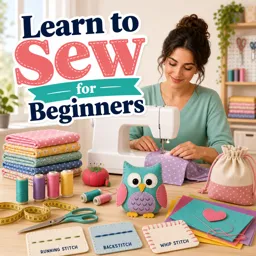
Even in executive or management roles, having knowledge of cutting and sewing can be invaluable. Understanding the production process helps you communicate more effectively with design teams and manufacturers, improving product quality and reducing inefficiencies. This technical insight also strengthens decision-making when it comes to sourcing and development.
Continuing Professional Development
The fashion world never stands still. Staying competitive requires lifelong learning. Engage in courses, attend industry events, or explore online resources to remain current with new technologies, sustainable practices, and emerging business models. Upskilling is not only beneficial—it’s essential.
Conclusion
Succeeding in the fashion business demands more than style; it takes strategic thinking, technical knowledge, and an entrepreneurial spirit. From forecasting trends to managing supply chains, the right skill set can elevate your career and empower you to build a brand that thrives in today’s dynamic marketplace.