Introduction
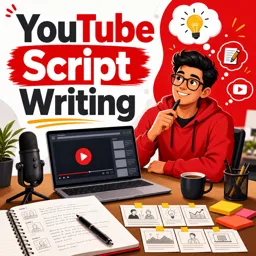
With millions of videos uploaded daily, standing out on YouTube requires more than just creative visuals and good editing. The backbone of any successful YouTube video is a well-crafted script. Whether you are a seasoned creator or just starting, learning how to write captivating YouTube scripts can transform your channel’s performance and keep your audience coming back for more.
Why a Script Matters
A script serves as the roadmap for your video content. It keeps your message clear, helps prevent rambling, and ensures your video is concise and engaging. Scripts also aid in streamlining the filming and editing processes since you’ll know exactly what needs to be said and when.
Steps to Writing Compelling YouTube Scripts
1. Understand Your Audience
Before writing, consider who your audience is. What are their interests and pain points? Tailor your script’s tone, language, and content to connect with your specific viewers.
2. Start with a Hook
The first 10 seconds are crucial for hooking viewers. Begin your script with an attention-grabbing statement, question, or teaser that makes people want to stay and watch more.
3. Outline the Structure
- Introduction: Welcome viewers and state what they will learn or gain.
- Body: Present your ideas, information, or story in a logical order. Use bullet points or numbered lists for clarity.
- Conclusion: Recap the key takeaways and include a call to action (like, comment, subscribe, or visit a link).
4. Write in a Conversational Tone
YouTube is a platform where viewers expect authentic and relatable content. Write as if you’re talking to a friend. Use contractions, rhetorical questions, and inject your personality into the script.
5. Make it Visual
Include cues in your script for visuals, graphics, and on-screen text. These elements reinforce your message and make the video more engaging. For example: (Show infographic here), (Insert funny meme here).
6. Keep it Short and Sweet
Online audiences usually have short attention spans. Edit your script to remove unnecessary fluff, opting for concise explanations and dynamic pacing.
7. Add Transitions and Segues
Help your audience follow along by using transitional phrases between sections. Examples include: “Next, let’s talk about…”, “But what does this mean for you?”, or “Here’s a quick tip…”
8. End with a Strong Call-to-Action
Wrap up your script by inviting viewers to take an action: subscribe, share the video, leave a comment, or check out another video on your channel.
Template Example
[Hook]: Did you know your next video could go viral with just a few script tweaks?

[Intro]: Hey everyone, welcome back to my channel! Today, I’ll show you how to write a YouTube script that grabs attention and keeps viewers engaged.

[Main Points]:
- Understand your audience
- Start with a strong hook
- Use visuals and cues
- Engage with a conversational tone
- Keep it concise

[Outro]: Thanks for watching! Don’t forget to subscribe and hit the bell so you don’t miss any tips. Comment below: What’s your biggest challenge with scripting videos?
Final Tips
- Practice reading your script out loud to ensure it flows naturally.
- Time your read-through to confirm your video won’t be too long or too short.
- Revise your script based on feedback or after your first recording.
Conclusion
Effective YouTube script writing is a skill that gets better with practice. Use these guidelines to create engaging, organized, and entertaining scripts that will help boost your channel’s success.