Introduction
The fashion world offers endless possibilities—not just for artistic expression, but also for building a successful business. Whether you’re launching a clothing line or aiming to establish a well-known label, understanding the foundations of the industry is key. This guide walks you through the essential steps to start and grow your fashion brand in today’s competitive landscape.
Understanding the Fashion Market
Before designing your first piece, research is essential. Determine who your target customers are—luxury clients, everyday shoppers, or niche communities. Analyze trends, study competitors, and identify gaps in the market that your brand can fill. This step lays the groundwork for a distinctive and relevant brand identity.
Crafting Your Brand Identity
Your brand is more than a name or a logo. It’s your story, your values, and the consistent look and feel of everything you create. Develop a strong mission, a unique visual identity, and ensure that your branding is cohesive across products, marketing materials, and customer interactions to build trust and recognition.
Product Design and Development
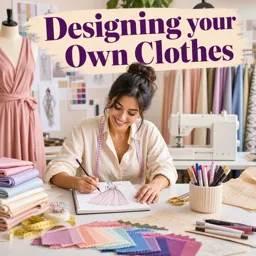
Start designing with clear ideas—sketches, fabric choices, and prototypes. Whether you make garments yourself or work with manufacturers, keep quality and consistency at the core. Consider sizing, durability, comfort, and pricing as part of your design process to ensure your pieces align with customer expectations.
Production and Sourcing
You’ll need to decide whether to manufacture in-house or outsource. Choose reliable suppliers and manufacturers who meet your quality and ethical standards. Pay attention to timelines, minimum order requirements, and inventory management to avoid disruptions in your supply chain.
Building an Online Presence
In today’s fashion world, digital visibility is everything. Create a well-designed e-commerce website with clear photos and engaging descriptions. Use social media to showcase your designs, tell your story, and connect with your audience. Influencer collaborations and social media campaigns can boost awareness and credibility.
Managing Sales and Distribution
Decide how you’ll sell: direct-to-consumer, via online marketplaces, or through retail partnerships. Ensure smooth logistics for order fulfillment, shipping, and returns. Great customer service and streamlined delivery will help build loyalty and repeat sales.
Financial Planning and Sustainability
Success in fashion also means being financially savvy. Budget carefully for production, marketing, and overhead. Track expenses and refine your pricing model for profitability. Sustainability is also key—explore eco-friendly materials and ethical practices, as more customers prioritize conscious shopping.
Conclusion
Starting a fashion brand is a bold but achievable endeavor. With a clear vision, strong brand identity, and solid operations, your creative passion can evolve into a thriving business. Stay informed, stay adaptable, and you’ll be well-positioned to grow in the ever-changing fashion industry.