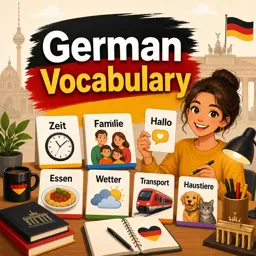
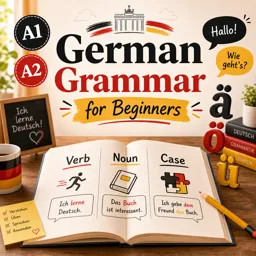
Build a solid foundation of essential German words and phrases for beginner success.
Introduction to German A1 Vocabulary
Starting your journey in learning German? Building a strong foundation of essential vocabulary is one of the most effective ways to boost your confidence and succeed at the A1 level. This article highlights the most important basic words and phrases for beginners, how to learn them efficiently, and tips to expand your vocabulary every day.
Core Vocabulary Categories for Beginners
- Numbers: Learn numbers from 1 to 100, essential for counting, giving phone numbers, and shopping.
- Days, Months, and Seasons: Talk about time, dates, and schedules.
- Greetings and Farewells: Use phrases like Hallo (Hello), Guten Morgen (Good morning), and Auf Wiedersehen(Goodbye).
- Family and People: Words such as Mutter (mother), Vater (father), Freund (friend).
- Common Objects and Places: Vocabulary for places like Supermarkt (supermarket), Bäckerei (bakery), and everyday objects.
- Food and Drinks: From Wasser (water) to Brot (bread) and Apfel (apple) – useful in daily conversations.
Everyday Phrases You Need to Know
At the A1 level, knowing useful phrases is just as important as vocabulary:
- Wie geht’s? – How are you?
- Ich heiße … – My name is …
- Woher kommst du? – Where are you from?
- Können Sie das bitte wiederholen? – Can you please repeat that?
Tips for Memorizing New Vocabulary
- Use Flashcards: Review words regularly with apps or paper cards.
- Practice in Context: Put new words into sentences or conversations.
- Label Your Environment: Attach sticky notes with German names to objects around your home.
- Watch and Listen: Engage with simple German dialogues, songs, or children’s shows.
Expanding Your Vocabulary Day by Day
Consistency is key! Learn 5–10 new words daily, review them morning and evening, and use them in simple sentences. Your word bank will grow, and soon you’ll join basic German conversations with confidence. Remember, making mistakes is part of learning—keep practicing to see progress!