Introduction
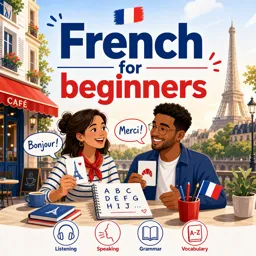
Learning greetings and how to introduce yourself is a fundamental step for beginners of French. At the A1 level, mastering these basics will help you make a good first impression in conversations and feel more confident navigating French-speaking environments. In this article, we’ll cover key phrases and useful tips for saying hello, introducing yourself, and making polite conversation as a beginner.
Common French Greetings
- Bonjour – Hello / Good morning (formal and informal, used until early evening)
- Salut – Hi (informal, for friends or people your age)
- Bonsoir – Good evening
- Bonne nuit – Good night (before going to bed)
- Au revoir – Goodbye
- À bientôt – See you soon
- Bonne journée – Have a good day
Using these greetings appropriately at the start of an interaction sets a friendly and respectful tone.
Introducing Yourself in French
Here are some simple, useful phrases for introducing yourself:
- Je m’appelle … – My name is …
- Moi, c’est … – I’m … (informal)
- Comment vous appelez-vous ? – What is your name? (formal)
- Comment tu t’appelles ? – What is your name? (informal)
- Je suis … – I am …
- Enchanté(e) ! – Nice to meet you!
- Je viens de … – I’m from …
If necessary, add Enchanté(e) after hearing someone’s name to show you are pleased to meet them.
Polite Expressions for Beginners
- Merci – Thank you
- S’il vous plaît – Please (formal)
- S’il te plaît – Please (informal)
- Désolé(e) – Sorry
- Pardon – Excuse me
Sample Dialogue at A1 Level
Here is a simple dialogue using the phrases above:
- Bonjour !
- Bonjour !
- Je m’appelle Anna. Et vous ?
- Moi, c’est Pierre. Enchanté !
- Enchantée ! Vous êtes français ?
- Non, je viens d’Italie.
- Très bien, bienvenue !
- Merci !
Tips for Beginners
- Practice speaking out loud to build confidence and improve pronunciation.
- Start every conversation with a proper greeting.
- Repeat introductions and exchanges with a language partner or in class.
Conclusion
Knowing how to greet others, introduce yourself, and use basic polite expressions is crucial for starting your journey in French. With regular practice, these foundational phrases will become second nature and set you up for more advanced language exchanges.