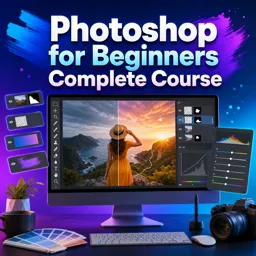
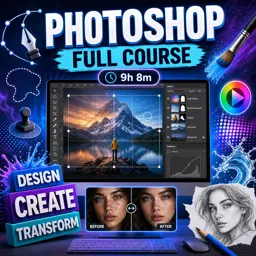
Adobe Photoshop is renowned for its power and versatility, and one of its most exciting capabilities is the creation of vibrant, eye-catching text effects. Whether you’re designing posters, social media graphics, or branding materials, mastering creative text effects can set your work apart and bring your message to life. In this article, we’ll explore the essential tools, techniques, and tips for transforming simple typography into stunning visual elements within Adobe Photoshop.
Why Use Text Effects in Your Designs?
Text effects can add personality, drama, and professionalism to your design projects. They help convey mood, emphasize key messages, and engage viewers more effectively than plain text. From 3D lettering and metallic finishes to glowing neon signs and grunge styles, Photoshop provides the flexibility to experiment and innovate.
Getting Started with Text Layers
Begin by selecting the Type Tool (T) in Photoshop. Click on your canvas and type your desired text. Consider choosing a bold and legible font for maximum impact. Once you have your text, convert the text layer to a Smart Object or rasterize it, depending on the effect you wish to achieve.
Popular Photoshop Techniques for Text Effects
- Layer Styles: The Layer Styles panel offers quick options like Bevel & Emboss, Drop Shadow, Inner Glow, and Stroke. These can be combined to create embossed, engraved, or glowing effects.
- Textures and Patterns: Overlay funky textures or patterns to give your text a unique finish. Experiment with Clipping Masks to confine textures just to your text.
- Gradient Overlays: Use gradients for dynamic and colorful text. Try blending multiple gradients for an iridescent or 3D effect.
- Filters and Distortions: Apply filters like Liquify, Wave, or Gaussian Blur for surreal and artistic transformations.
- Custom Brushes: Paint over your text with custom brushes to add splatters, sparkles, or grunge effects for extra flair.
Tips for Standout Typography
- Keep readability in mind: Balance creativity with legibility so your message isn’t lost.
- Layer multiple effects for depth: Combine glows, shadows, and textures to add dimension.
- Use color wisely: Stick to a cohesive palette that aligns with your overall design.
- Save presets: Once you create a great effect, save it as a new style for future projects.
Final Thoughts
With so many tools at your disposal, Adobe Photoshop gives you endless possibilities for transforming lettering into a memorable part of your visual storytelling. Explore, experiment, and most importantly, have fun bringing your creative text visions to life!