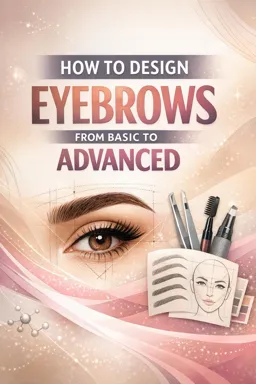
Eyebrow design is an art that requires practice and skill. One of the most popular and effective techniques for creating the perfect eyebrow shape is using thread. Also known as threading, it is an ancient method that originated in Asia and has been used for thousands of years to remove unwanted hair and create precise eyebrow shapes. Here, we'll guide you through the step-by-step process of using eyebrow thread, from basics to advanced.
What is Threading?
Threading is a hair removal technique that uses 100% pure cotton thread. The thread is twisted and wound along the skin to pull the hair out at the root. It is a natural and effective alternative to waxing and tweezing, as it does not require chemicals and can be used on all skin types, including sensitive ones.
Why use line?
The line is a precise tool that allows you to create sharp and defined eyebrow shapes. It's gentler on the skin than waxing and tweezing as it doesn't pull the skin, just the hair. Additionally, the thread can remove fine, short hairs that waxing and tweezing can leave behind, resulting in a cleaner, smoother finish.
How to use eyebrow thread: The basics
To start, you will need 100% pure cotton thread. Cut a piece of thread about 45-60 cm long. Then tie the ends of the line together to form a loop. Twist the line several times so that it looks like an "8". This is your "thread thread".
To remove the hair, you will need to run the thread along the skin. Position the threading thread over the area of the eyebrow you want to shave. Open and close your fingers to move the threading thread back and forth. This will curl and unravel the thread, grabbing and pulling the hair at the root.
- Listen to the audio with the screen off.
- Earn a certificate upon completion.
- Over 5000 courses for you to explore!

Download the app
Advanced eyebrow design with thread
For more advanced eyebrow design, you will need to map your eyebrows. Use an eyebrow pencil to mark where your brows should start, arch, and end. This will serve as your guide when using the line.
When you're ready to start shaving, position the thread along your lower brow line. Move the threading thread upwards to remove hairs below the brow line. Then position the threading thread along the upper brow line and move it downwards to remove the hairs above the brow line.
To create a precise brow shape, be sure to remove the hairs in small sections. This will give you more control over the shape of your brow and help you avoid removing too much hair.
After shaving, use a soothing gel to soothe the skin and reduce redness. Then fill in any sparse areas with an eyebrow pencil or powder to create a polished finish.
In conclusion, eyebrow design using thread is an effective technique that allows you to create precise and defined eyebrow shapes. With practice and patience, you'll be able to master this technique and create perfectly shaped brows every time.