
Exercises
This quiz assesses safe client screening before and during pedicure services. It covers common toenail and surrounding-skin abnormalities, warning signs that require referral, infection-control responses, and professional documentation. Questions emphasize visual recognition, appropriate service modification, and the limits of a nail technician’s scope of practice.
Answer the questions below and check the explanation for each answer.
0/18 answered
Auto audio on: the next questions will be read aloud when you click Continue.
Green discoloration under a lifted nail may indicate microbial growth. A nail technician should avoid covering or manipulating the area and refer the client for appropriate evaluation.
Onycholysis is the lifting or separation of the nail plate from the underlying nail bed. Trauma, irritation, infection, and some health conditions can contribute to it.
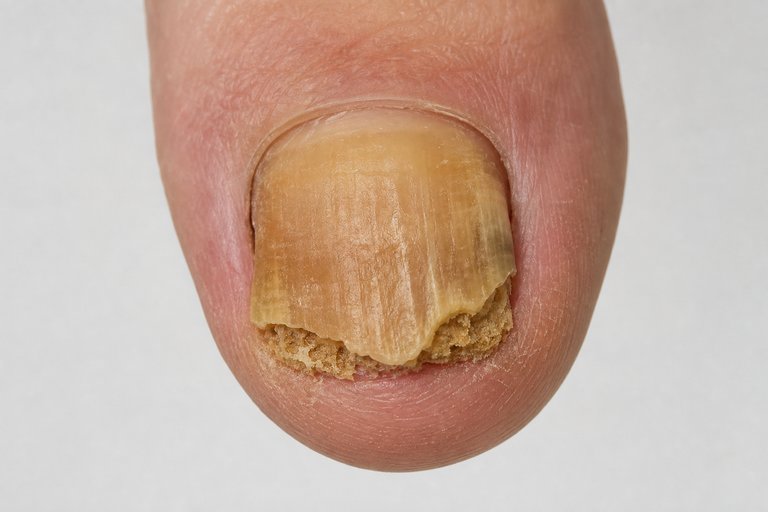
Thickening, yellow-brown discoloration, brittleness, and crumbly debris are common signs of a possible fungal nail infection. Nail technicians should not diagnose it and should refer the client.
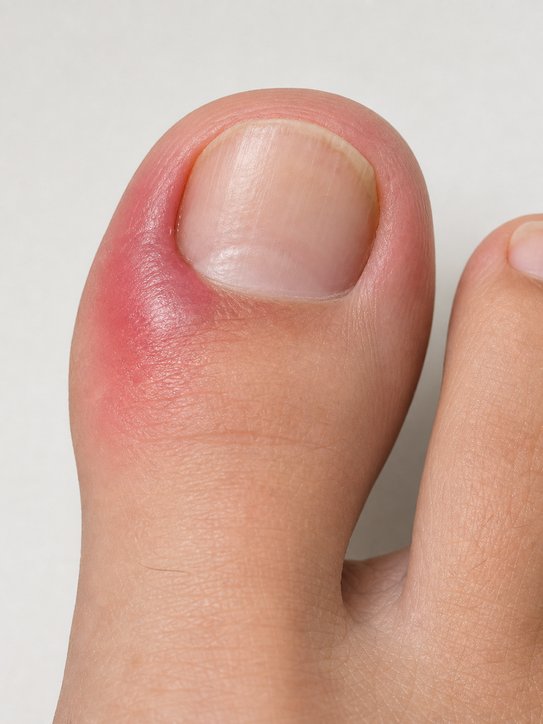
Paronychia is inflammation or infection of tissue bordering the nail. Redness, swelling, warmth, pain, or drainage makes the area unsuitable for a pedicure service.
A nail technician may observe and document visible signs but should not diagnose disease or prescribe treatment. Suspected disorders outside the professional scope should be referred to a qualified clinician.
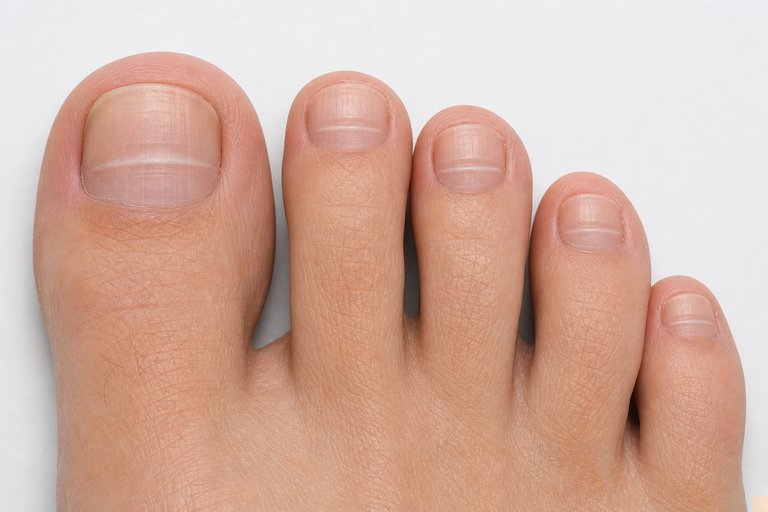
Beau’s lines are transverse depressions caused by a temporary interruption of nail growth. Multiple affected nails may reflect a past illness, major stress, or another systemic event.
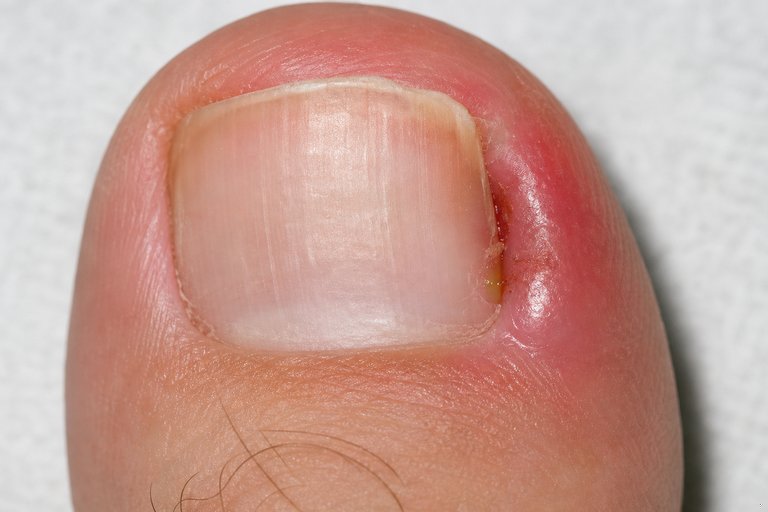
Swelling and drainage indicate active inflammation or possible infection. The technician should not dig into, lift, or pack the nail edge and should recommend evaluation by a qualified healthcare professional.
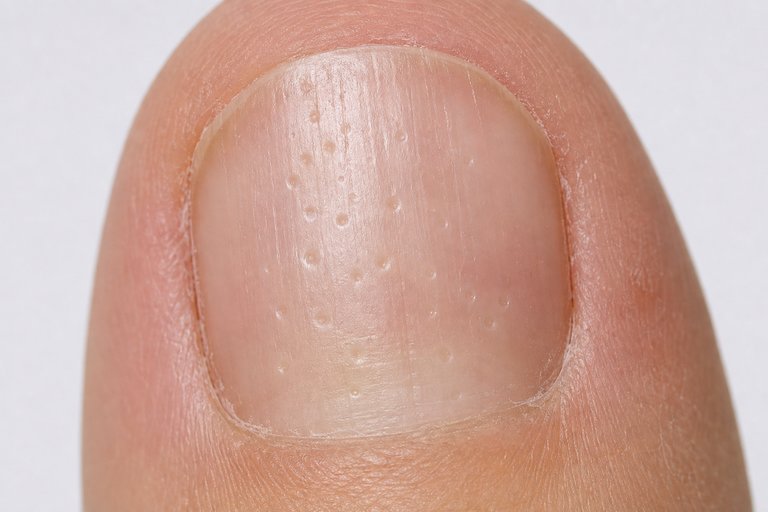
Nail pitting consists of small depressions in the nail surface. It can occur with certain inflammatory conditions, so extensive or unexplained pitting may warrant medical evaluation.
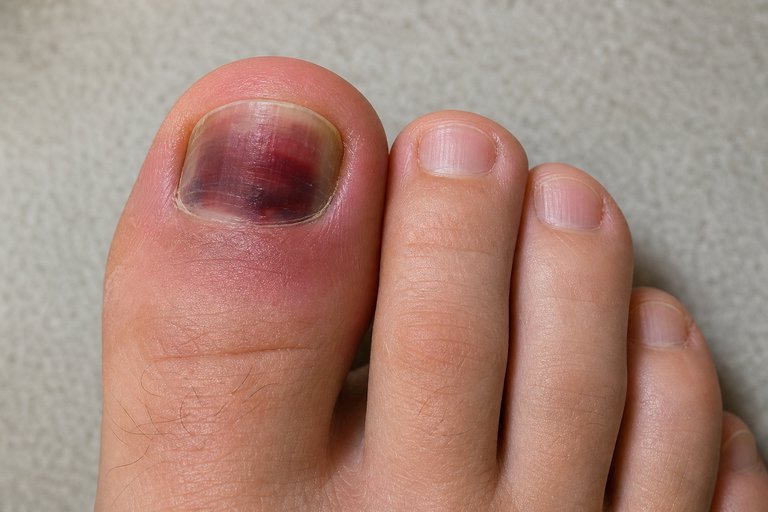
A painful collection of blood under the nail after trauma may require professional assessment. Nail technicians must not puncture the nail because this can cause injury and introduce infection.
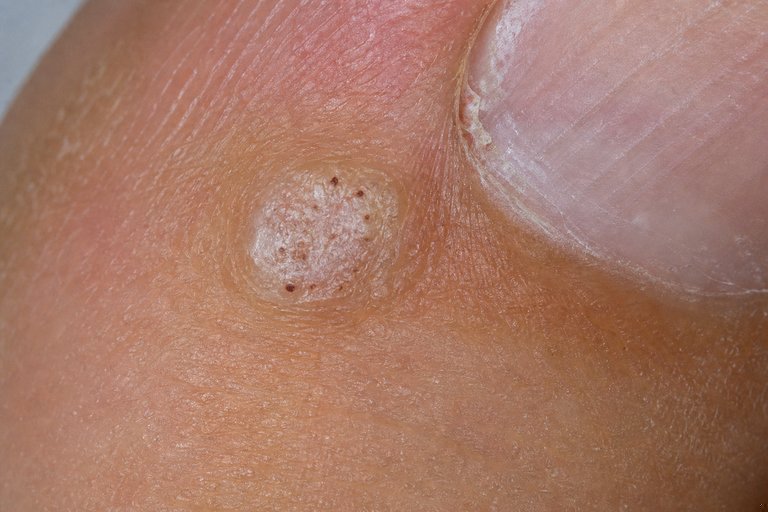
A rough lesion with pinpoint dark dots may be a wart, which can be contagious. It should not be filed, cut, or soaked in shared equipment; the client should be referred for evaluation.
Athlete’s foot commonly causes itching, scaling, peeling, or fissures, especially between the toes. Affected areas should not receive routine pedicure treatment because the condition may spread.
Reduced sensation increases the risk that heat, cuts, or pressure injuries will go unnoticed. Services must follow local rules and salon policy, use conservative methods, and require medical guidance when indicated.
Bleeding requires the service to stop. The technician should use appropriate protective equipment, manage the wound without direct contact, and clean or discard contaminated items according to blood-exposure rules.
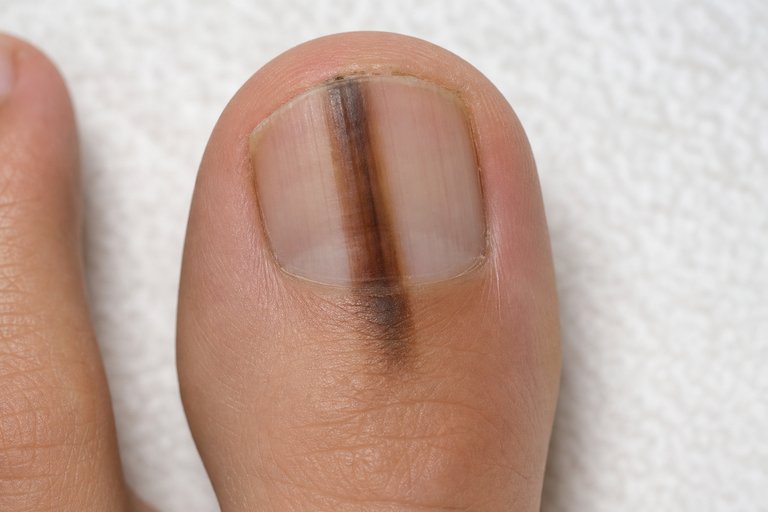
A new or changing dark band, especially when pigment extends onto nearby skin, is a warning sign that requires prompt medical assessment. It should not be concealed or cosmetically treated first.
Koilonychia, or spoon nails, produces a thin, concave nail plate with raised edges. Persistent changes may be associated with an underlying health issue and can justify referral.
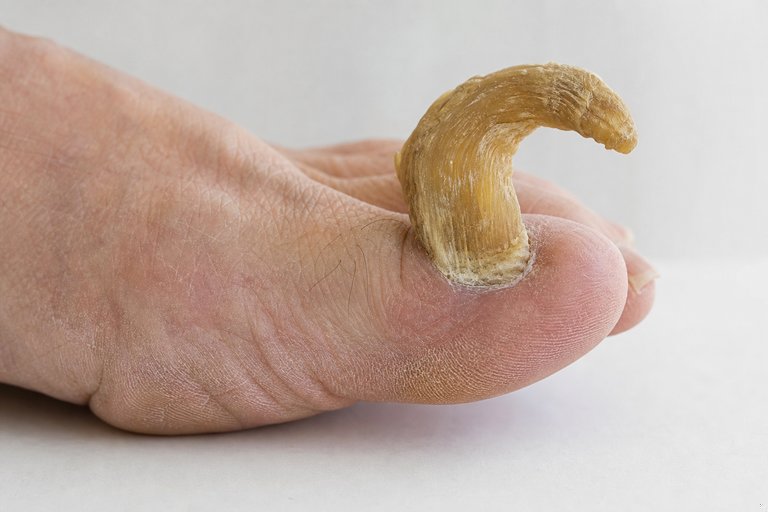
A severely thickened, horn-like nail is consistent with onychogryphosis. Aggressive cutting or filing can injure the nail bed or surrounding tissue, so specialist care is appropriate.
Small white spots, often called punctate leukonychia, commonly result from minor trauma to the nail-forming area. They usually move toward the free edge as the nail grows.
Professional records should describe visible findings, identify the location, and document the action taken without making a medical diagnosis. Clear notes support continuity and responsible client care.

Free CourseBeginner Nail Tech
4.8

(17)

7h08m

17 exercises

Free CourseNail art for begginers
4.7

(73)
2h01m
22 exercises

Free CourseManicure Tutorial
4.6
(9)
3h38m
7 exercises

Free CourseAcrylic Nail Tech
4.5
(10)
29m
5 exercises

Free CourseNail Classes
4.5
(8)
3h46m
6 exercises
Free CourseAcrylic nails for beginners
4.4
(8)
7h29m
18 exercises

Free CourseEasy nail art for beginners
4.3
(10)
1h38m
29 exercises

Free CoursePedicure Tutorial
3
(7)
17h37m
16 exercises
Thousands of online courses in video, ebooks and audiobooks.
To test your knowledge during online courses
Generated directly from your cell phone's photo gallery and sent to your email

Download our app via QR Code or the links below:.



Carry knowledge in your pocket.
Download the Cursa app.
There are hundreds of free courses available, with a free certificate of completion that is saved in your mobile image gallery.
Download the app to access the Course Completion Certificate for Free.


+ 10 million
students

Free and Valid
Certificate

60 thousand free
exercises

4.8/5 rating in
app stores

Free courses in
video and ebooks