
Exercises
Master the German two-way prepositions an, auf, hinter, in, neben, über, unter, vor, and zwischen. This quiz tests how these prepositions interact with the accusative case for destinations and the dative case for fixed locations. The questions include practical sentences, visual situations, contractions, article endings, and common verbs of placement and position.
Answer the questions below and check the explanation for each answer.
0/17 answered
Auto audio on: the next questions will be read aloud when you click Continue.

Auf dem Tisch is correct. The book has a fixed location, so auf takes the dative. The masculine article der becomes dem.
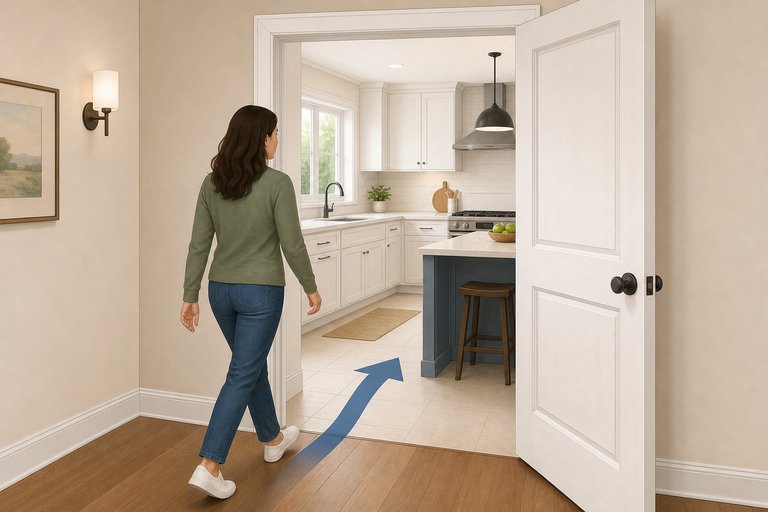
In die Küche expresses a destination and answers wohin? Therefore, in takes the accusative. The feminine article remains die.
An die Wand is correct because the mirror is being moved to a destination. This directional use of an requires the accusative case.

An der Wand describes a fixed position, so an takes the dative. The feminine article die changes to der.
Wo? asks where something is located. With a two-way preposition, a fixed location generally requires the dative case.
Wohin? asks about a destination or change of location. Two-way prepositions generally take the accusative when answering this question.
Auf den Stühlen uses the dative plural for a fixed location. Dative plural normally uses den, and the noun often receives an additional -n.
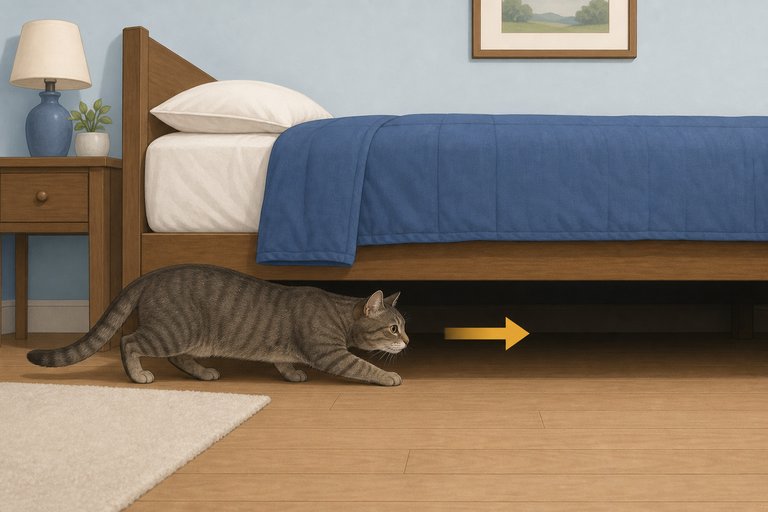
Unter das Bett indicates the cat's destination. Because Bett is neuter, its accusative article is das.

Zwischen den Häusern describes a fixed location between multiple buildings. It therefore uses the dative plural.
Neben seine Freundin expresses movement to a new position beside her. The reflexive verb sich setzen indicates placement, so the accusative is used.
Neben seiner Freundin is correct because sitzen describes a fixed position. The feminine possessive therefore takes the dative ending -er.
Vor dem Kino describes the fixed location where the waiting occurs. The preposition vor therefore takes the dative article dem.

Hinter das Haus identifies the destination of the movement. The neuter noun Haus uses das in the accusative.
Über der Stadt describes where the clouds are. The dative is used for this fixed spatial relationship, and feminine die becomes der.
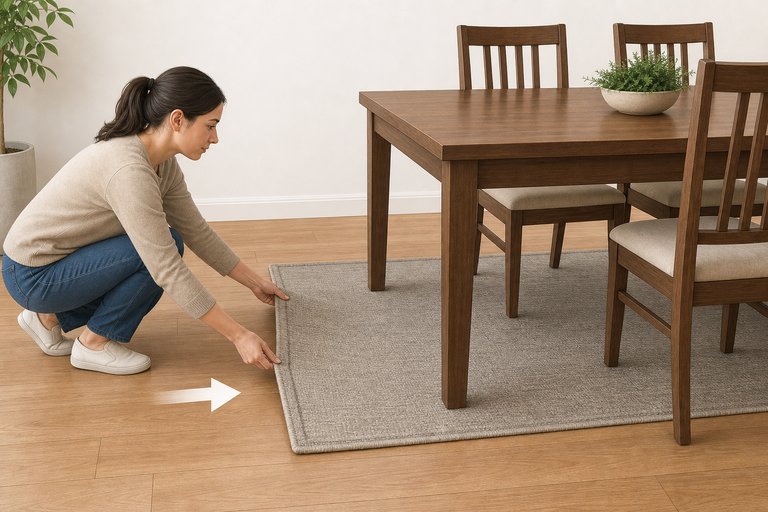
Unter den Tisch expresses the rug's destination. The masculine article der changes to den in the accusative.
Das Kind spielt im Garten is correct. Im contracts in dem and marks the fixed location where the child is playing.
Das Boot fährt ans Ufer is correct. Ans contracts an das and expresses movement toward the shore. A boat already located there would lie am Ufer.

Free CourseGerman Vocabulary
5

(5)

15h53m

15 exercises

Free CourseGerman language A2
5
(2)
9h25m
27 exercises

Free CourseGerman B2
5
(2)
9h26m
3 exercises

Free CourseA2 | Learn German for beginners
4.9
(13)
8h58m
3 exercises

Free CourseGerman A1
4.9
(9)
10h34m
18 exercises

Free CourseGerman for beginners
4.8
(335)
4h10m
19 exercises

Free CourseB2 | Learn German Intermediate
4.8

(8)
2h12m
1 exercises

Free CourseA1 | Learn German for beginners
4.7
(55)
11h07m
30 exercises
Thousands of online courses in video, ebooks and audiobooks.
To test your knowledge during online courses
Generated directly from your cell phone's photo gallery and sent to your email

Download our app via QR Code or the links below:.



Carry knowledge in your pocket.
Download the Cursa app.
There are hundreds of free courses available, with a free certificate of completion that is saved in your mobile image gallery.
Download the app to access the Course Completion Certificate for Free.


+ 10 million
students

Free and Valid
Certificate

60 thousand free
exercises

4.8/5 rating in
app stores

Free courses in
video and ebooks