Exercises
Assess your understanding of essential bank teller cash handling procedures. This quiz covers cash drawer limits, balancing routines, counting cash back to customers, handling suspected counterfeit currency, accepting large cash deposits, dual control requirements, and properly facing bills. Use it to review practical controls that support accuracy, security, fraud prevention, and strong customer service in a banking environment.
Answer the questions below and check the explanation for each answer.
0/7 answered
Auto audio on: the next questions will be read aloud when you click Continue.
The maximum amount of cash a teller should keep in their drawer at any time is typically $10,000. This helps minimize the risk of theft or loss while ensuring efficient service. However, exact amounts might vary depending on bank policies or regulations.
To ensure transparency and accuracy, it is best to count it out loud to the customer and show each bill. This allows the customer to verify the amount, reducing potential disputes over the transaction.
A teller should balance their cash drawer at the end of each shift. This practice ensures that any discrepancies are detected promptly, allowing for immediate investigation and resolution. It also maintains accuracy in financial reporting and reinforces accountability among tellers.
When you receive a counterfeit bill, the first course of action to take is to retain the bill and notify your supervisor. It's important to take appropriate steps to handle the situation correctly and report the counterfeit note, ensuring further investigation can be carried out by the relevant authorities.
When accepting a large cash deposit, it is important to count the cash in front of the customer to ensure transparency and accuracy. This helps both parties verify the amount and avoid future discrepancies. Counting the cash out loud helps establish trust and minimizes errors, providing a clear audit trail for both the bank and the customer involved in the transaction.
The dual control procedure involves two individuals working together to complete certain tasks, ensuring oversight and reducing the chance of fraud or error. This often applies to activities like handling cash, accessing restricted areas, or authorizing transactions, enhancing security and accountability.
Facing all bills in the same direction helps increase efficiency in processing by making counting and handling faster and reducing the risk of errors. It ensures consistency in transactions and simplifies the detection of discrepancies during cash handling. While it doesn't inherently make detecting counterfeit bills easier, it contributes to a systematic approach that supports overall accuracy.
Thousands of online courses in video, ebooks and audiobooks.
To test your knowledge during online courses
Generated directly from your cell phone's photo gallery and sent to your email

Download our app via QR Code or the links below:.


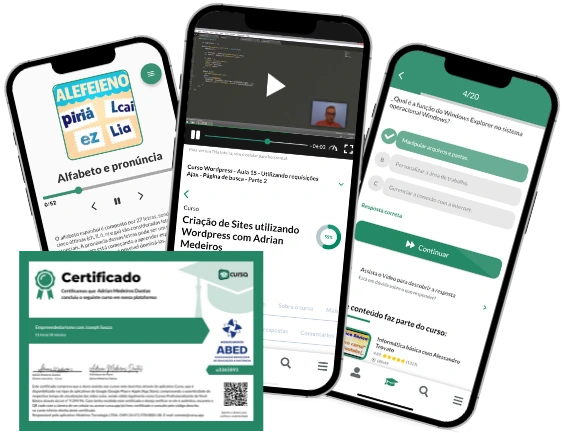
Carry knowledge in your pocket.
Download the Cursa app.
There are hundreds of free courses available, with a free certificate of completion that is saved in your mobile image gallery.
Download the app to access the Course Completion Certificate for Free.


+ 10 million
students

Free and Valid
Certificate

60 thousand free
exercises

4.8/5 rating in
app stores

Free courses in
video and ebooks