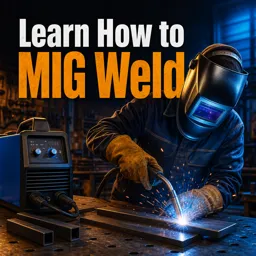
MIG welding, short for Metal Inert Gas welding, is a versatile and widely used welding process across various industries. Known for its efficiency and ease of use, MIG welding is favored by both professionals and hobbyists for joining metals quickly and effectively.
What is MIG Welding?
MIG welding is a process that uses a continuous wire electrode and shielding gas to fuse metals together. It is widely employed for both ferrous and non-ferrous metals, including steel, stainless steel, and aluminum. Its adaptability and speed make it ideal for many industrial and DIY applications.
The Basics of How MIG Welding Works
The MIG welding process operates as follows:
- A continuous solid wire electrode is fed through a welding gun into the weld pool.
- Simultaneously, a shielding gas flows through the gun to protect the molten metal from atmospheric contamination.
- This combination allows for a strong, clean weld that requires minimal post-weld finishing.
Key Advantages of MIG Welding
- Ease of Learning: MIG welding is generally easier for beginners compared to other welding methods.
- Speed: The continuous wire feed allows for faster welding with minimal downtime.
- Versatility: Works well with various metals and thicknesses, expanding its applications.
- Clean Welds: The shielding gas minimizes oxidation and spatter, reducing cleanup requirements.
MIG Welding Applications in Industry
MIG welding is extensively used in:
- Automotive bodywork and repairs
- Fabrication of metal furniture
- Shipbuilding and maritime components
- Construction of metal frameworks
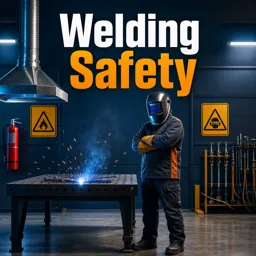
Safety Considerations
Welding involves inherent risks, so safety is crucial:
- Always wear appropriate personal protective equipment (PPE), including gloves, welding helmets, and protective clothing.
- Ensure proper ventilation to avoid inhaling fumes.
- Keep the workspace free of flammable materials to reduce fire hazards.
Conclusion
MIG welding combines simplicity, speed, and adaptability, making it a vital skill for welders in multiple industries. Whether you’re beginning your welding journey or seeking to refine your expertise, mastering the fundamentals of MIG welding offers a strong foundation for professional growth.