The Role of Technology in Modern Farming

Modern farming has become efficient and sustainable with technology, using precision agriculture and automation to meet global food demands.

Share on Linkedin Share on WhatsApp

Estimated reading time: 2 minutes

Article image The Role of Technology in Modern Farming

Introduction

The agricultural sector has undergone a significant transformation in recent years, primarily driven by advances in technology. These innovations have made modern farming more efficient, sustainable, and capable of meeting the growing food demands of the global population.


The Evolution of Agricultural Technology

Traditional farming methods, reliant on manual labor and simple tools, have been largely replaced or complemented by sophisticated technologies. From the invention of the cotton gin to the adoption of genetically modified organisms (GMOs), technological advancements have continually shaped the agricultural landscape.


Precision Agriculture

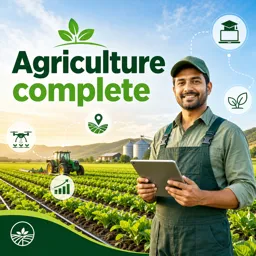
One of the standout technologies is precision agriculture, which uses data analytics, drones, and GPS technology to optimize field-level management regarding crop farming. By utilizing sensors and data, farmers can make informed decisions to increase yield and efficiency while reducing waste.


Automated Machinery

Automation has revolutionized how farming tasks are conducted, with tractors and harvesters becoming more intelligent and autonomous. These machines reduce the need for extensive manual labor, allowing farmers to focus on other critical aspects of farm management.


Sustainable Practices

Technology is also playing a crucial role in promoting sustainable farming practices. Water management systems, renewable energy sources, and biodegradable materials ensure that farming can continue without depleting resources or harming the environment.


Conclusion

As the world continues to grapple with issues like climate change, population growth, and food security, technology in agriculture is more important than ever. Embracing these innovations not only improves productivity but also ensures that farming remains viable for future generations.

Integrating Renewable Energy Systems: Essential Skills for Modern Electricians

Discover essential skills electricians need for renewable energy systems, including solar, wind, storage, safety, and career growth opportunities.

Building Confidence with Intermediate Electronics: Practical Applications and Circuit Design

Gain confidence in intermediate electronics with practical applications, circuit design tips, essential tools, and real-world scenarios for electricians.

Exploring Analog and Digital Circuits: A Guide for Intermediate Electronics Learners

Learn intermediate electronics with analog and digital circuits, including op-amps, logic gates, microcontrollers, and practical project-based tips for learners.

Intermediate Electronics: Taking Your Electrical Skills to the Next Level

Expand your electrical skills with intermediate electronics, covering circuits, ICs, microcontrollers, and practical applications for electricians and enthusiasts.

Mastering Sensors and Transducers: Intermediate Electronics for Electricians

Learn intermediate electronics for electricians with sensors and transducers, including applications, signal conditioning, and practical skills for modern systems.

Mastering Logistics Management: The Backbone of Modern Business Operations

Discover how mastering logistics management drives efficiency, reduces costs, and enhances careers in modern business operations.

Optimizing Logistics Management for Global Supply Chains

Learn how to optimize global logistics management with technology, best practices, and sustainability strategies to enhance efficiency and competitiveness.

The Strategic Role of Technology in Transforming Logistics Management

Explore how technology transforms logistics management, enhancing efficiency, sustainability, and customer satisfaction in modern supply chains.