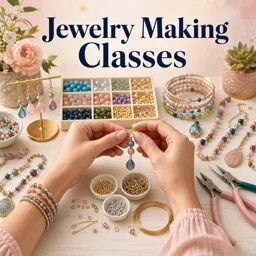
Jewelry making is a vibrant and rewarding craft that blends artistry with technical skill. Whether you aim to become a professional jeweler or simply wish to express your creativity, mastering the fundamentals is the first step toward creating beautiful, personalized pieces.
Essential Jewelry Making Techniques
- Wire Working: Bend, shape, and connect metal wires to create delicate chains, links, and decorative elements.
- Beading: Combine beads with wire or thread to craft necklaces, bracelets, earrings, and other accessories.
- Soldering: Use heat to join metal pieces seamlessly, a foundational skill for rings, settings, and structural designs.
- Stone Setting: Secure gemstones or crystals into metalwork to enhance the visual appeal and value of your creations.
- Metal Forming: Techniques like hammering, engraving, and texturing allow you to shape and personalize your pieces.
Tools Every Jewelry Maker Should Have
A well-stocked toolkit is essential for jewelry making. Key tools include:
- Round-nose, flat-nose, and chain-nose pliers
- Wire cutters and flush cutters
- Jeweler’s saws and files
- Soldering kit
- Mandrels for shaping rings and bracelets
- Punches, hammers, and anvils for forming and texturing
Developing Your Creative Vision
Jewelry making is as much about creativity as technique. Draw inspiration from nature, art, architecture, or cultural motifs. Sketch ideas, experiment with materials, and embrace mistakes. Each finished piece reflects your unique style and innovation.
Learning and Growing in Jewelry Making
Continual learning is key to mastery. Enroll in professional courses, attend workshops, and join crafting communities online and offline. Constructive feedback and exposure to diverse styles broaden your skillset and inspire new creative directions.
Conclusion
Jewelry making offers limitless opportunities for creative and professional fulfillment. By mastering essential techniques, equipping yourself with the right tools, and nurturing your artistic vision, you can craft stunning pieces that showcase your talent and set you apart as a skilled jewelry maker.