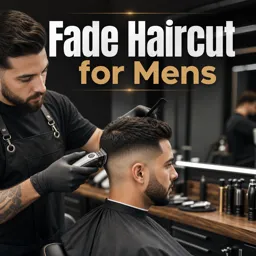
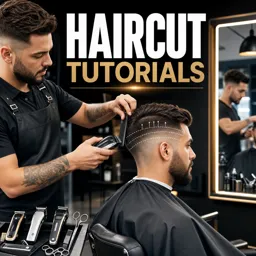
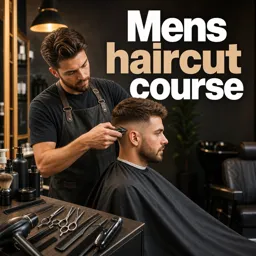
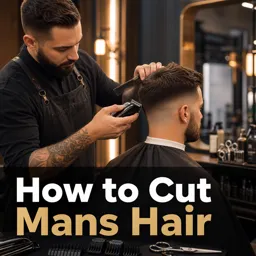
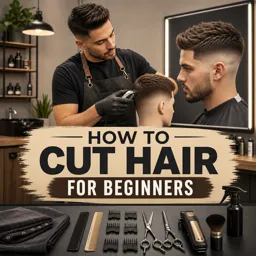
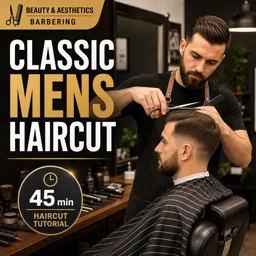
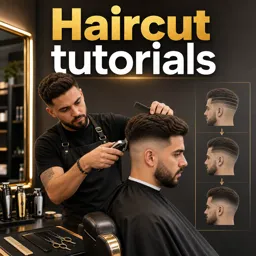
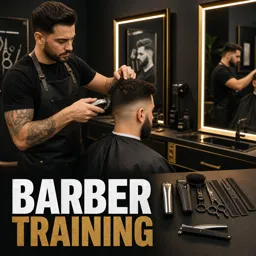
In the world of professional barbering, mastering the fundamentals of classic men’s haircuts is essential for any aspiring barber. These timeless styles form the backbone of barbershop services and cater to a wide range of clients. This guide covers the key cutting techniques and pro tips to deliver iconic looks with consistency and confidence.
Understanding the Basics of Men’s Haircuts
Before picking up scissors or clippers, it is vital to understand hair types, head shapes, and growth patterns. Each client has unique density, direction, and texture—all of which influence the cutting approach and final style. A thorough consultation and assessment form the foundation of every great cut.
Essential Tools and Their Uses
- Clippers: For removing bulk and creating clean, even lengths.
- Scissors: For detail work, texturizing, and precise length control.
- Combs: For maintaining consistency and sectioning hair.
- Razors: Ideal for tapering and softening edges.
Step-By-Step Guide to Classic Haircuts
1. The Crew Cut
- Start with damp hair and section as needed.
- Use clippers with a guard to cut the sides and back evenly.
- Blend the top using scissors or a higher clipper guard for a smooth transition.
- Edge around the ears and neckline for a sharp finish.
2. The Side Part
- Identify the natural part line based on hair growth.
- Use clippers on the sides, leaving the top longer for styling.
- Add structure and control to the top with scissors.
- Define the part and apply product for hold.
3. The Classic Scissor Cut
- Work from the nape upward, cutting in small sections.
- Lift hair with a comb and cut gradually for a natural finish.
- Use point-cutting for added texture and movement.
Finishing Touches and Styling
Once the main cut is complete, focus on refining the neckline, ears, and sideburns. These details elevate a haircut from good to exceptional. Recommend styling products based on hair type:
- Pomades for sleek, polished looks.
- Matte clays for textured, modern finishes.
Conclusion
Developing proficiency in classic men’s haircuts provides a strong foundation for a successful career in barbering. With regular practice, continuous learning, and attention to each client’s needs, barbers can ensure customer satisfaction while building long-term professional growth.