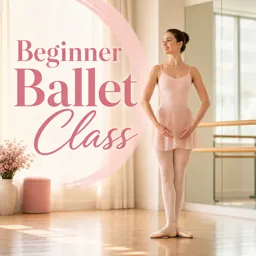
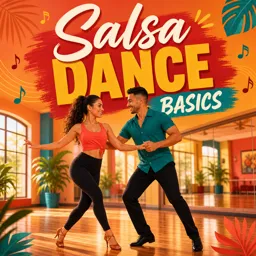
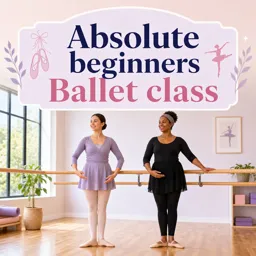
Improving dance technique is essential for any dancer, whether you’re a beginner or an advanced performer. Good technique not only enhances your performance but also helps prevent injuries and increases your confidence on the dance floor. Here are some key tips and practices to help you improve your dance technique.
1. Master the Basics
Focus on Fundamentals:
- Ensure that you have a strong grasp of basic dance steps and movements. These are the building blocks of more complex routines.
Practice Regularly:
- Consistent practice is crucial. Set aside dedicated time each day or week to practice your dance moves and routines.
2. Take Classes and Workshops
Learn from Professionals:
- Enroll in dance classes and workshops taught by experienced instructors. They can provide valuable feedback and teach you new techniques.
Explore Different Styles:
- Experiment with various dance styles to broaden your skills and adaptability. Each style can offer unique techniques that enhance your overall dance ability.
3. Work on Flexibility and Strength
Stretch Daily:
- Incorporate stretching into your daily routine to improve flexibility. Focus on areas that are essential for dance, such as legs, hips, and back.
Strength Training:
- Build strength through exercises that target key muscle groups used in dance. Core strength, in particular, is vital for stability and balance.
4. Pay Attention to Posture and Alignment
Maintain Proper Alignment:
- Always be mindful of your posture and body alignment. Proper alignment reduces the risk of injury and improves the aesthetics of your movements.
Use Mirrors:
- Practice in front of mirrors to monitor your posture and ensure that your movements are precise and aligned.
5. Focus on Footwork
Precision in Steps:
- Pay close attention to your footwork. Practice steps slowly at first, ensuring precision before increasing speed.
Use the Floor:
- Feel the floor with your feet and use it to your advantage. Proper use of the floor can enhance your movements and provide better balance.
6. Develop Musicality
Listen to the Music:
- Understanding the music is crucial for any dancer. Listen carefully to the rhythm, melody, and beats to synchronize your movements with the music.
Practice Timing:
- Work on your timing and coordination by practicing with different types of music. This helps you adapt to various rhythms and tempos.
7. Record and Review
Video Your Practice:
- Record your practice sessions and performances. Reviewing the footage helps you identify areas for improvement and track your progress over time.
Seek Feedback:
- Share your recordings with instructors or peers to get constructive feedback. An outside perspective can offer insights you might not have noticed.
8. Embrace Continuous Learning
Stay Open to New Techniques:
- The world of dance is always evolving. Stay open to learning new techniques and styles to keep your skills fresh and versatile.
Attend Performances:
- Watch professional dance performances to get inspired and learn from the best. Observe their techniques and try to incorporate what you learn into your practice.
Conclusion
Improving your dance technique requires dedication, practice, and a willingness to learn. By focusing on the basics, seeking professional guidance, and continuously challenging yourself, you can enhance your skills and become a more confident and versatile dancer. Remember, the journey of improvement is ongoing, and each step forward brings you closer to mastering the art of dance.