Exploring the Unique Sounds: A History of Saxophone and Clarinet

Explore the rich history and diverse sounds of the saxophone and clarinet, their evolution, and unusual applications in genres like EDM and avant-garde music.

Share on Linkedin Share on WhatsApp

Estimated reading time: 3 minutes

Article image Exploring the Unique Sounds: A History of Saxophone and Clarinet

Introduction
The saxophone and the clarinet, both members of the woodwind family, have a rich history and offer a diverse range of sounds. They have played significant roles in various musical genres, but each holds its own unique place in music history. This article dives into their fascinating historical backgrounds and explores some of the most unusual ways these instruments have been used.

The Emergence of the Saxophone
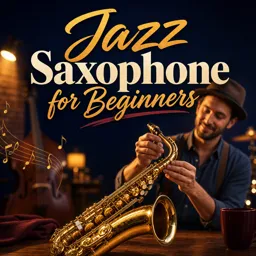
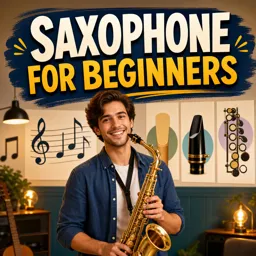
Invented by Adolphe Sax in the mid-19th century, the saxophone was initially designed to fill the gap between brass and woodwind instruments. Its versatility quickly made it a staple in military bands and later, in jazz bands. The saxophone’s vibrant sound allowed musicians to forge new paths in improvisation and expressiveness, opening an entirely new world of musical possibilities.

Clarinet: A Journey Through Time
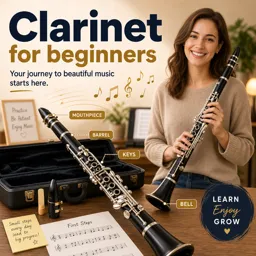
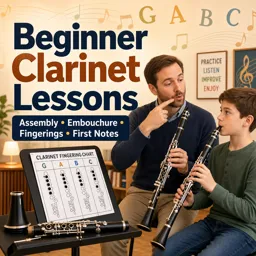
The clarinet has a much older origin, tracing back to the late 17th century. Unlike the saxophone, the clarinet has undergone continuous development, evolving through innovations in keywork and bore design. Its distinctive tone is prominent in classical orchestras, klezmer bands, and even jazz ensembles, highlighting its adaptability across genres.

Unusual Applications in Music
Both the saxophone and the clarinet have found themselves in some unexpected musical settings:

  • Saxophone in Electronic Music: The saxophone has been electrifying the world of EDM, where musicians blend its expressive capabilities with digital sounds for a unique auditory experience.
  • Clarinet in Avant-Garde Compositions: The clarinet has made remarkable appearances in modern avant-garde music, pushing traditional boundaries with extended techniques and creative soundscapes.

Discover More with Free Online Courses
Whether you’re a seasoned player or a novice, exploring the saxophone or clarinet can enhance your musical understanding. Our free online courses offer video lessons that dive deeper into these instruments’ history and demonstrate the variety of contexts in which their sounds can be used. Start your musical journey today and discover the endless possibilities these iconic instruments have to offer.

Intermediate Italian (B1): Building Confidence in Conversations and Writing

Boost your Italian B1 skills with practical strategies for conversations, writing, listening, and cultural engagement. Gain confidence in everyday communication.

Mastering Italian at the B1 Intermediate Level: Key Skills and Effective Strategies

Master Italian B1 with effective strategies for reading, writing, speaking, and listening. Boost your vocabulary, grammar, and confidence in daily communication.

Practical Italian for Daily Life: Strengthening Your B1 Intermediate Skills

Enhance your Italian B1 skills with practical strategies for daily life. Learn conversational phrases, pronunciation tips, grammar in context, and real-life language use.

Building Your Repertoire: Expanding Musical Horizons as an Intermediate Pianist

Expand your intermediate piano repertoire with diverse pieces, effective practice strategies, and musical expression to enhance technique and confidence.

Exploring Intermediate Piano: Bridging Foundations and Artistic Growth

Advance your piano skills at the intermediate level with technical exercises, expressive interpretation, structured practice, and diverse repertoire.

Mastering the Transition: Essential Skills for Intermediate Piano Players

Enhance your intermediate piano skills with technical proficiency, advanced reading, diverse repertoire, improvisation, and effective practice strategies.

Unlocking Expression: Techniques to Elevate Your Intermediate Piano Playing

Enhance your intermediate piano skills with dynamic control, expressive phrasing, repertoire expansion, pedal techniques, and sight-reading practice.

Developing Expressive Phrasing in Intermediate Classical Guitar

Learn how to develop expressive phrasing in intermediate classical guitar, enhancing dynamics, articulation, and musical storytelling in your repertoire.