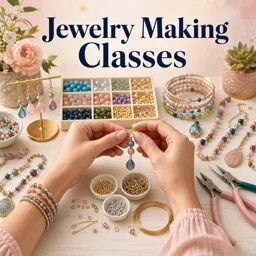
Jewelry making is a craft that combines creativity with precision. One of the most captivating aspects of this art is gemstone setting — the technique of securely fixing gems into a piece of jewelry. Whether you are a beginner or an experienced jeweler, mastering gemstone setting can significantly enhance the quality, beauty, and value of your creations.
Understanding the Basics of Gemstone Setting
Gemstone setting goes beyond merely attaching a stone to metal. It requires knowledge of the stone’s properties, the variety of available settings, and the techniques needed to ensure both durability and aesthetic appeal. Common gemstone settings include prong, bezel, pavé, channel, and tension settings, each providing different styles and levels of security for the stones.
Popular Types of Gemstone Settings
- Prong Setting: Uses metal claws to hold the stone, maximizing light exposure for brilliance.
- Bezel Setting: Encircles the stone with a rim of metal, offering protection and a sleek, modern look.
- Pavé Setting: Small stones are set closely together with tiny metal beads, creating a sparkling, continuous surface.
- Channel Setting: Stones are placed in a groove between two strips of metal, often used for rings and bracelets.
Essential Tools for Gemstone Setting
Successful gemstone setting relies on specialized tools such as setting pliers, burs, gravers, burnishers, and microscopes for detailed work. High-quality tools improve the final product, enhance efficiency, and increase safety during the setting process.
Tips for Improving Your Gemstone Setting Skills
- Practice on inexpensive materials before using precious stones.
- Study gemstone characteristics, as softness or brittleness affects your approach.
- Maintain a well-lit, organized workspace for better control and accuracy.
- Enroll in professional jewelry-making courses to learn advanced techniques and industry standards.
Conclusion
Mastering gemstone setting unlocks a world of creative and professional opportunities in jewelry making. This skill allows you to craft breathtaking pieces that are both secure and visually stunning, appealing to modern trends and timeless elegance. Start practicing today to elevate your jewelry creations to the next level.