Introduction
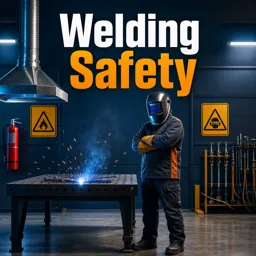
Welding is a vital skill in fields such as manufacturing, construction, and automotive repair. Despite its importance, welding presents a range of hazards, including extreme heat, bright light, sparks, and toxic fumes. Adopting proper safety measures is crucial to prevent accidents and ensure a safe working environment.
Personal Protective Equipment (PPE) for Welders
One of the most effective ways to reduce risk when welding is using personal protective equipment (PPE). Essential PPE includes:
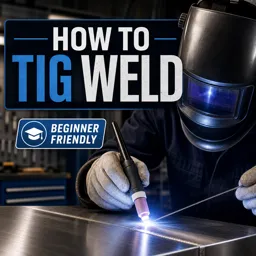
- Welding Helmet: Shields eyes and face from UV and infrared radiation, sparks, and debris.
- Protective Clothing: Flame-resistant jackets, gloves, and pants help protect skin from burns and hot metal.
- Gloves: Specialized welding gloves insulate hands from heat and electrical shock.
- Safety Shoes: Steel-toed boots prevent injuries from falling objects and burns from hot metal.
- Respiratory Protection: Depending on the welding type and materials used, appropriate respirators may be necessary to avoid inhaling harmful fumes.
Workplace Safety Measures
Making your workspace safer is as important as wearing PPE. Key safety measures include:
- Ventilation: Ensure proper ventilation or extraction systems to remove welding fumes and gases.
- Fire Prevention: Keep a fire extinguisher nearby and remove flammable materials from the area.
- Clear Worksite: Keep the work area tidy to reduce tripping hazards and make emergency exits easily accessible.
- Shield Others: Use welding screens or curtains to protect nearby coworkers from sparks and radiation.
Safe Welding Practices
Safe operational habits are essential for every welding task:
- Inspect Equipment: Check cables, hoses, and connections before starting. Replace damaged parts immediately.
- Follow Manufacturer Guidelines: Always adhere to the safety instructions provided with your welding equipment.
- Handle Gas Cylinders with Care: Secure cylinders upright and use proper storage and handling procedures to prevent leaks and explosions.
- Stay Alert: Remain attentive throughout the process, and never weld when fatigued or impaired.
Conclusion
Welding can be a dangerous job, but following correct safety practices dramatically decreases the risk of injury. Invest in quality PPE, maintain a safe environment, and adopt disciplined work habits to keep yourself and others safe while welding.