Building a Strong Foundation: Italian A1 Starter Phrases and Vocabulary

Learn essential Italian A1 phrases, greetings, and vocabulary. Start speaking Italian confidently with practical tips and daily practice ideas.

Share on Linkedin Share on WhatsApp

Estimated reading time: 3 minutes

Article image Building a Strong Foundation: Italian A1 Starter Phrases and Vocabulary

Learning Italian at the A1 level is an exciting step for anyone who dreams of speaking this beautiful language. Whether you plan to travel, connect with Italian friends, or simply enjoy learning languages, starting with simple phrases and core vocabulary is essential. This guide explores practical words and sentences to help you start communicating in Italian from day one.

Common Greetings and Farewells

Master these greetings to start conversations politely and confidently:

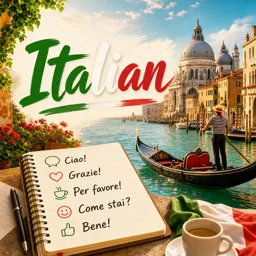
  • Ciao! – Hello! / Hi!
  • Buongiorno! – Good morning!
  • Buonasera! – Good evening!
  • Arrivederci! – Goodbye!

Introducing Yourself

Self-introduction is one of the first skills you’ll use. Practice phrases like:

  • Mi chiamo … – My name is …
  • Sono di … – I am from …
  • Ho … anni. – I am … years old.

Keep these sentences handy to start sharing about yourself in Italian.

Essential Everyday Vocabulary

A solid A1 vocabulary will help you navigate daily life. Some basic words include:

  • Acqua – Water
  • Pane – Bread
  • Caffè – Coffee
  • Scuola – School
  • Famiglia – Family
  • Amico/Amica – Friend (male/female)

Practice these words at home, in class, or with Italian-speaking friends.

Simple Questions and Answers

Being able to ask and answer basic questions is crucial for effective communication:

  • Come stai? – How are you?
  • Bene, grazie! – Fine, thank you!
  • Che cosa fai? – What do you do?
  • Dove abiti? – Where do you live?

Tips for Practicing Italian Every Day

Consistent, small practice sessions work best. Try these:

  • Label objects in your house with their Italian names.
  • Listen to Italian songs and repeat the lyrics.
  • Have simple conversations with other learners or native speakers.
  • Practice speaking in front of a mirror to build confidence.

Conclusion

Starting your Italian journey at the A1 level is about embracing the basics. By practicing essential phrases, greetings, and vocabulary daily, you’ll soon navigate simple conversations with ease and build a strong foundation for further learning. Buona fortuna—good luck on your journey!

Building Your Italian A2 Vocabulary: The Key Words and Phrases You Need

Expand your Italian A2 vocabulary with key words, phrases, and practical tips for confident communication in everyday situations.

Exploring Daily Life Topics in Italian A2: Your Guide to Practical Communication

 Master Italian A2 daily life topics with practical tips, vocabulary expansion, and strategies for confident speaking and listening.

How to Improve Your Speaking and Listening Skills at Italian A2 Level

Boost your Italian A2 speaking and listening skills with practical tips, audio resources, and strategies to enhance real-life communication.

Mastering Essential Italian A2 Grammar: Key Structures for Elementary Learners

Learn essential Italian A2 grammar, including irregular verbs, articles, prepositions, passato prossimo, and forming questions for elementary learners.

Mastering Italian C1 Advanced: Deepening Cultural Nuance and Expressive Mastery

Elevate your Italian to C1 with cultural immersion, nuanced grammar, and advanced communication strategies for authentic language mastery.

Italian C1 Advanced: Elevating Your Language Skills Through Authentic Materials

Elevate your Italian to C1 advanced level using authentic materials, practical strategies, and active learning techniques for fluent, confident communication.

Mastering Italian C1: Strategies for Advanced Fluency

Master Italian at the C1 level with strategies for grammar, vocabulary, comprehension, writing, and real-world fluency to reach advanced proficiency.

Navigating Italian C1: Practical Tips for Real-World Communication

Master Italian at the C1 level with practical tips for idioms, pronunciation, formal and informal language, complex texts, and real-life communication.