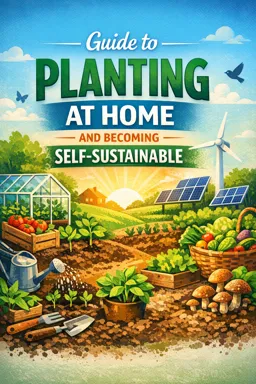
How to Grow Vegetables at Home
Growing vegetables at home can be a wonderful way to become more self-sustaining, save money, and have access to fresh, healthy food. In addition, it is a relaxing and rewarding activity. In this guide, we'll explore how you can start growing your own vegetables at home.
Choosing the Vegetables
The first step in growing vegetables at home is choosing which vegetables you would like to grow. Some popular options include tomatoes, peppers, cucumbers, zucchini, lettuce, spinach and peas. When choosing your vegetables, consider the space you have available, the climate you live in, and your taste preferences.
Preparing the Soil
To grow healthy vegetables, it is essential to properly prepare the soil. This usually involves adding organic compost to nourish the soil and improve its texture. The soil must be loose and well-draining to allow the roots of the vegetables to grow freely. Also, most vegetables prefer slightly acidic to neutral soil, so you may need to adjust the soil pH.
Planting the Seeds
Once you have prepared the soil, you can start planting your seeds. Each legume has specific planting requirements, so it's important to read the instructions on the seed package. In general, you'll want to plant the seeds at a depth of about twice their size. Be sure to give the plants plenty of room to grow and spread.
Watering and Fertilizing
Watering and fertilizing your plants is crucial for their growth and production. Most vegetables prefer moist, but not soggy, soil. Therefore, it is important to water regularly, but not excessively. Also, most vegetables benefit from regular fertilizing with a high quality organic fertilizer.
- Listen to the audio with the screen off.
- Earn a certificate upon completion.
- Over 5000 courses for you to explore!

Download the app
Controlling Pests and Diseases
Unfortunately, pests and diseases can be a problem when growing vegetables. To avoid this, try to grow disease-resistant varieties, reroute your crops each year, and keep your garden clean and well-tended. If you notice pests or diseases, it may be necessary to use organic pesticides or other control methods.
Harvesting your Vegetables
Finally, the most rewarding part of growing vegetables at home is the harvest. Each vegetable has an ideal harvest time, so it's important to know when your vegetables are ready to be harvested. In general, it's better to harvest early than too late for the best flavor and texture.
Growing vegetables at home may seem like a challenge at first, but with a little practice, you'll become a skilled gardener in no time. And the reward of eating fresh vegetables you've grown yourself is second to none. So why not start growing vegetables at home today?