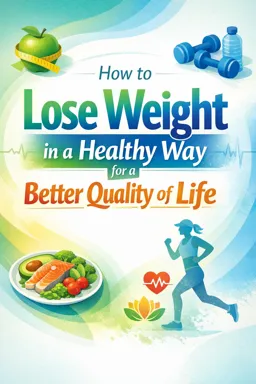
Healthy weight loss is a process that involves a number of factors, including a balanced diet, regular exercise and a healthy lifestyle. One of the aspects that is often overlooked, but which can have a significant impact on weight loss, is alcohol consumption. While it may seem harmless, alcohol can be a significant obstacle for anyone trying to lose weight.
Alcohol Calories
Alcohol is high in calories. A single gram of alcohol contains about 7 calories, nearly double the calories found in a gram of carbohydrates or protein. Also, alcohol calories are considered "empty calories", which means they don't provide any nutrients to the body. This means that when you consume alcohol, you are consuming calories that do not contribute to your health or nutrition.
Alcohol and Appetite
Alcohol can also increase appetite. Studies show that alcohol consumption can lead to an increase in food consumption, especially foods high in fat and sugar. This is because alcohol can interfere with the body's satiety signals, making you feel hungrier than you actually are. This can lead to overconsumption of calories, which can impede weight loss.
Alcohol and Metabolism
In addition, alcohol can affect the body's metabolism. When you consume alcohol, your body focuses on metabolizing it, which can lead to a decrease in the metabolism of other substances, such as fats and sugars. This can lead to an accumulation of fat in the body, making it difficult to lose weight.
Alcohol and Sleep
Alcohol can also interfere with sleep. Adequate sleep is essential for weight loss, as it is during sleep that the body recovers and regenerates. Alcohol can disrupt sleep, leading to poorer quality sleep. This can lead to an increased appetite and slower metabolism, both of which can make weight loss more difficult.
- Listen to the audio with the screen off.
- Earn a certificate upon completion.
- Over 5000 courses for you to explore!

Download the app
Conclusion
In summary, alcohol consumption can be a significant obstacle to weight loss. While it is possible to lose weight while consuming alcohol, it can be more difficult and time consuming. If you're trying to lose weight, it can be helpful to limit or completely avoid alcohol consumption. Instead, focus on consuming a balanced diet, getting regular exercise, and maintaining a healthy lifestyle. Remember, the key to successful weight loss is consistency and patience.